The Cost of This Job
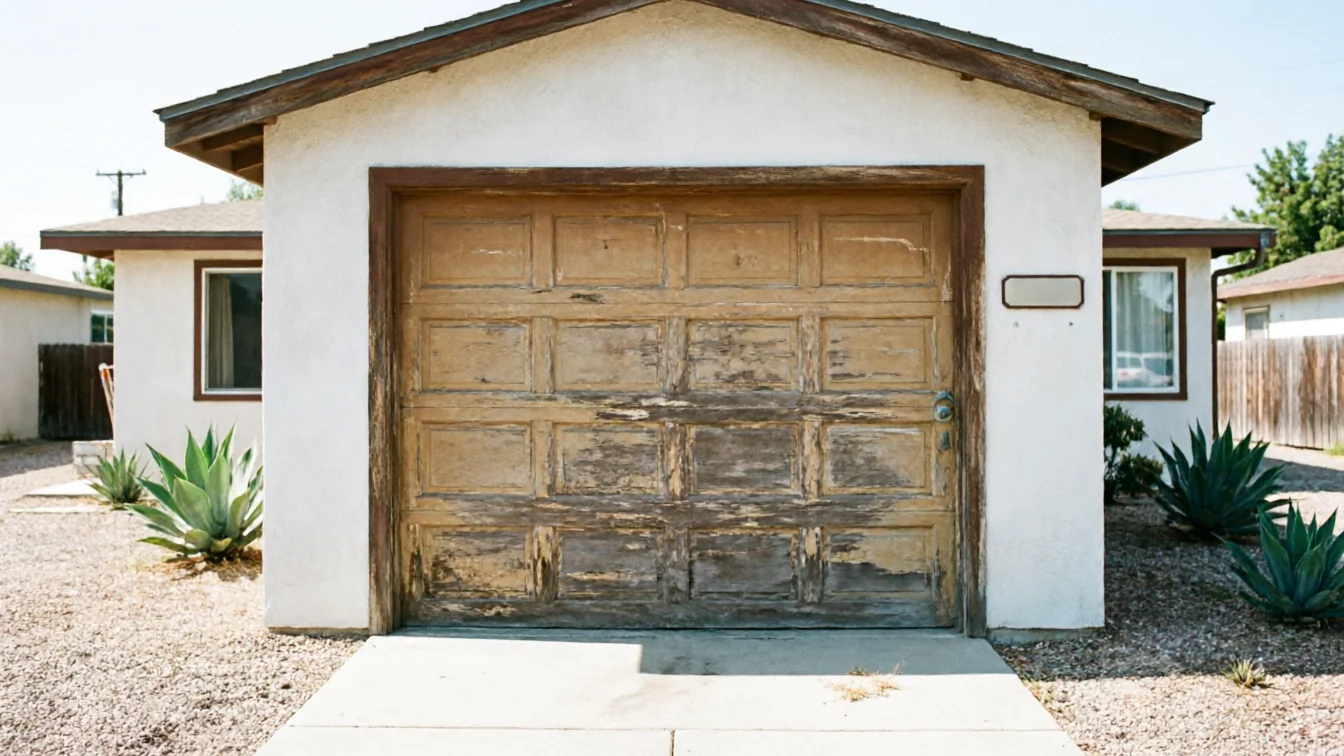
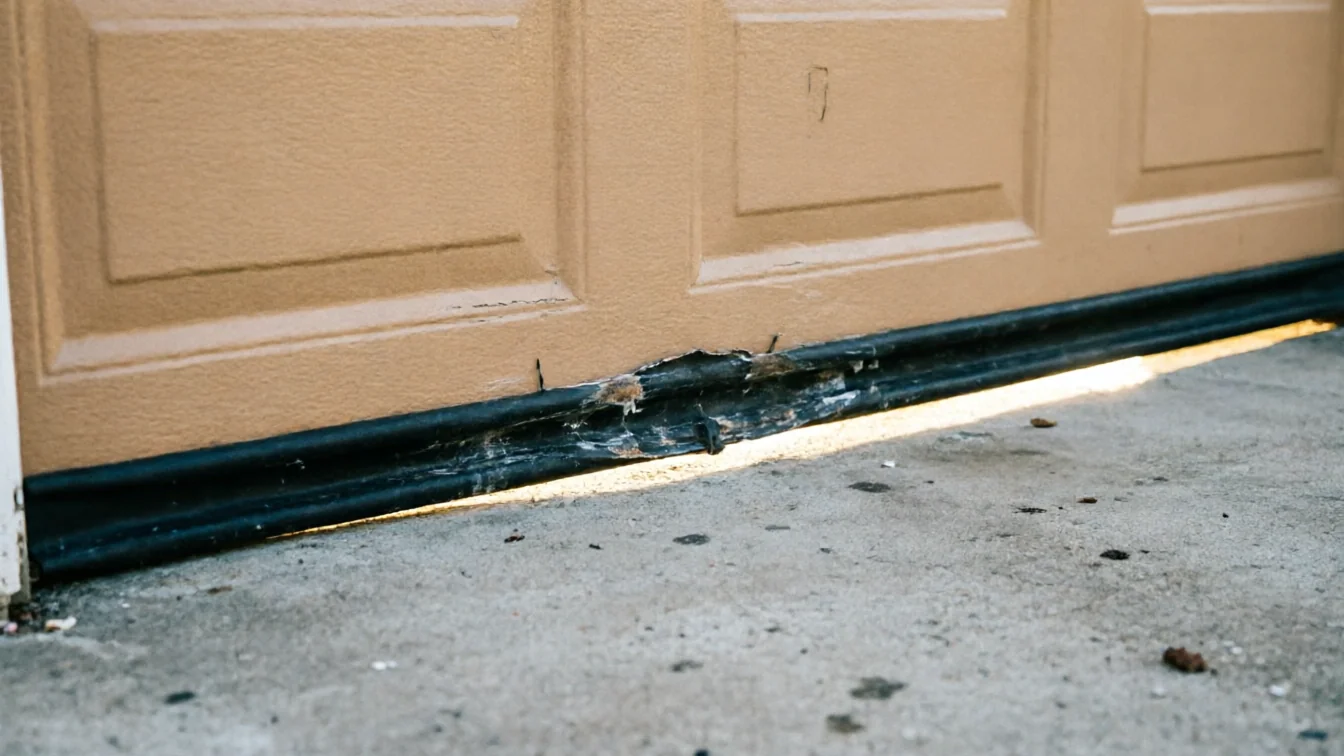
We can't quote a number without seeing the door, but here's what actually drives the cost on a reseal or weatherstrip job in this area. Most of the labor isn't the seal itself - it's dealing with what's under it. Houses here were built between 1943 and 2012, with the bulk of the stock going up in the 1960s and 70s, and that generation of door came with a bottom astragal and jamb seal system that wasn't designed to be swapped out easily. On a door that age, the track is often slightly out of true after decades of settling, so the seal won't sit flush until the track gets adjusted too. That's an extra half hour, not a new part. If the door itself is original to a 1960s build, replacing the whole unit sometimes costs less over time than re-sealing a warped panel every two years - we'll tell you straight if that's where you're at instead of selling you a seal that won't hold.We won't tell you a seal fixes a bent panel. It doesn't. If the draught is coming through a gap where the panel itself is bowed, a new bottom seal buys you a season at best.
The Situation
Whittier's housing stock spans 1943 to 2012, with a median build year around 1964 and most neighborhoods - all 86 of them across this service area - dominated by 1960s and 70s construction. That matters for seals because the door hardware from that era used a narrower track reveal than what's standard today, and the rubber or vinyl astragal that came with it has usually hardened or cracked by now even if the door panel itself still works fine. A household earning the area's median of $96,234 isn't necessarily looking at a full door replacement - a lot of these homes just need the seal system brought up to current spec without touching the opener or the panels. Across the broader service area there are over 1,076,816 households and 405,393 owner-occupied houses, and a large share of them are sitting on garage doors old enough that the original weatherstripping has outlived its rubber life by a decade or more. That's not a defect, it's just age catching up with vinyl.
What Changes With the Season
Whittier sits in a mild temperate band, so we don't get the freeze-thaw cycling that cracks seals apart in a single hard winter. What we do get is slow material fatigue - UV and heat during the day, cooler nights, repeated over fifty-plus years on a 1960s-era door, and the vinyl just gets brittle and shrinks away from the jamb. You won't see a sudden failure after one storm the way colder regions do. Instead you'll notice a seal that used to press flush now has a visible gap at the corners, usually first at the bottom corners where the door closes last. Because the climate here doesn't punish seals the way a harsher one would, a worn seal on an older Whittier door is almost always an age problem, not a weather-event problem - which also means waiting a season rarely makes it worse fast. It just keeps getting a little looser.
What Local Conditions Do
In a mild climate like Whittier's, draughts around a garage door don't usually announce themselves with a dramatic failure - no split from a freeze, no sudden warp from heavy snow load. What happens instead is gradual: a 1960s-built home's original jamb seal slowly pulls back from the frame a sixteenth of an inch at a time until one day there's daylight visible at the corner. On the older end of this area's housing stock - the pre-1970 homes that make up a good share of the 86 named neighborhoods here - that gap is almost always at the bottom corners and along the vertical jamb where the door has shifted slightly on its original hardware over sixty years. Mild weather also means homeowners here often don't prioritize the fix the way someone in a harsher climate would, since there's no immediate cold-air problem. The trade-off is that the gap keeps growing quietly until it is wide enough to let in dust and the occasional draught on a windy day.
Talk to a local pro
Garage door trouble in Whittier?
Same-day service with honest, upfront quotes.