
Original hardware, nonstandard sizing
That means a large share of the doors we service are running original or first-replacement hardware - torsion springs, drums, and track brackets sized to specs that aren't always what's sold off the shelf today.
Whittier, CA
Garage door maintenance for Whittier homes built mostly in the 1960s and 70s - tune-ups that catch hardened lube, worn rollers, and torsion spring wear before they break.
The repair
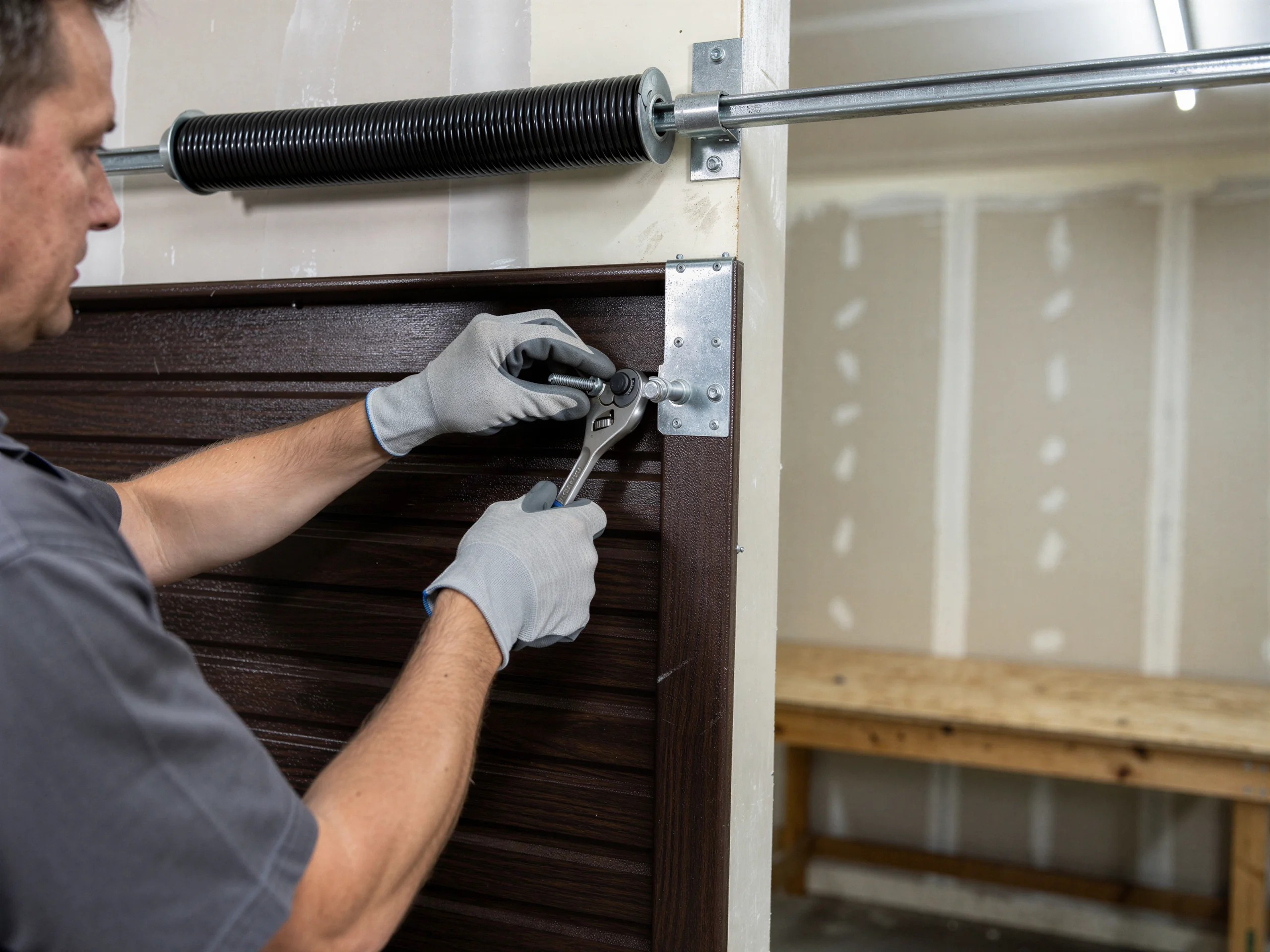
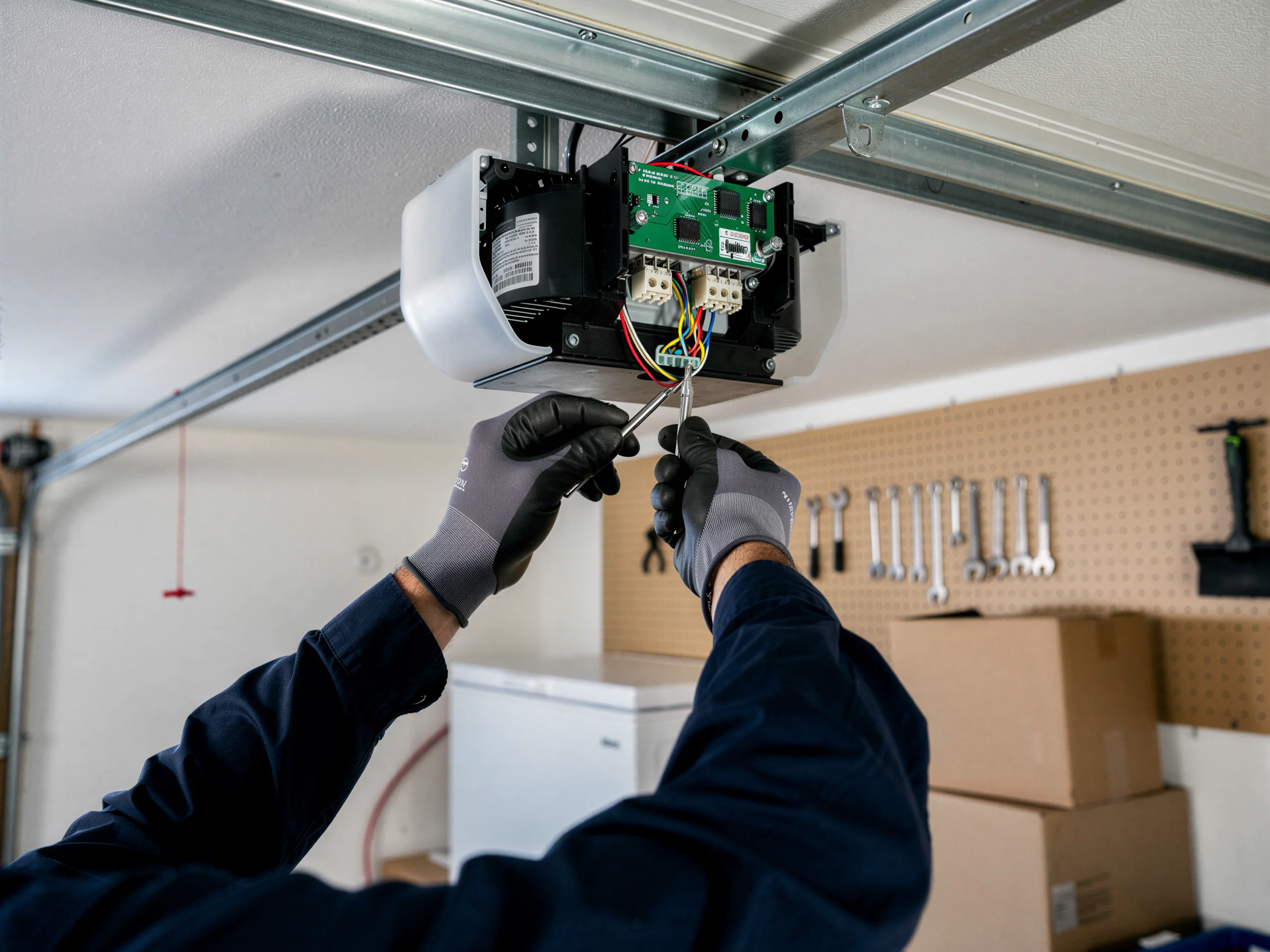
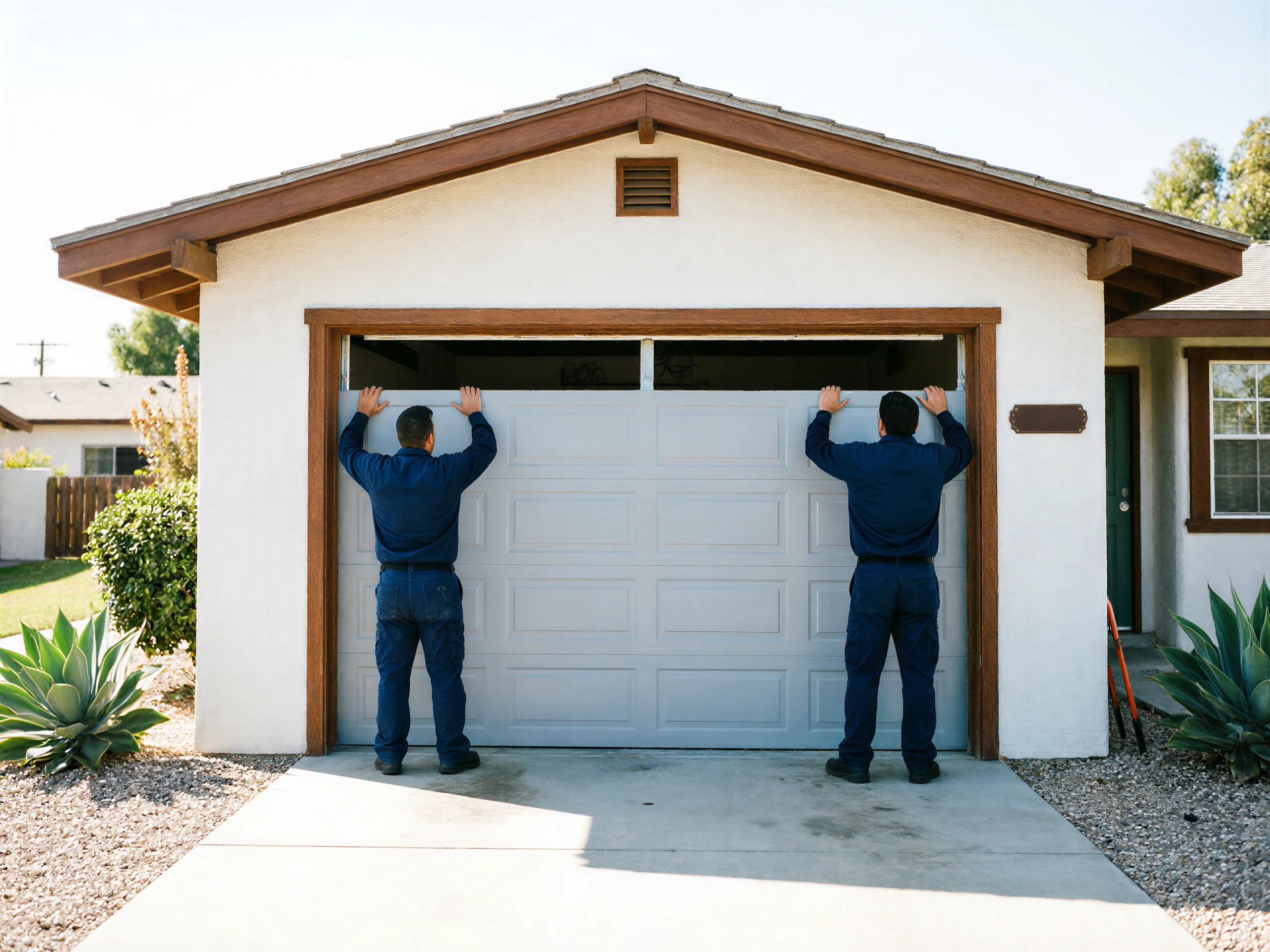
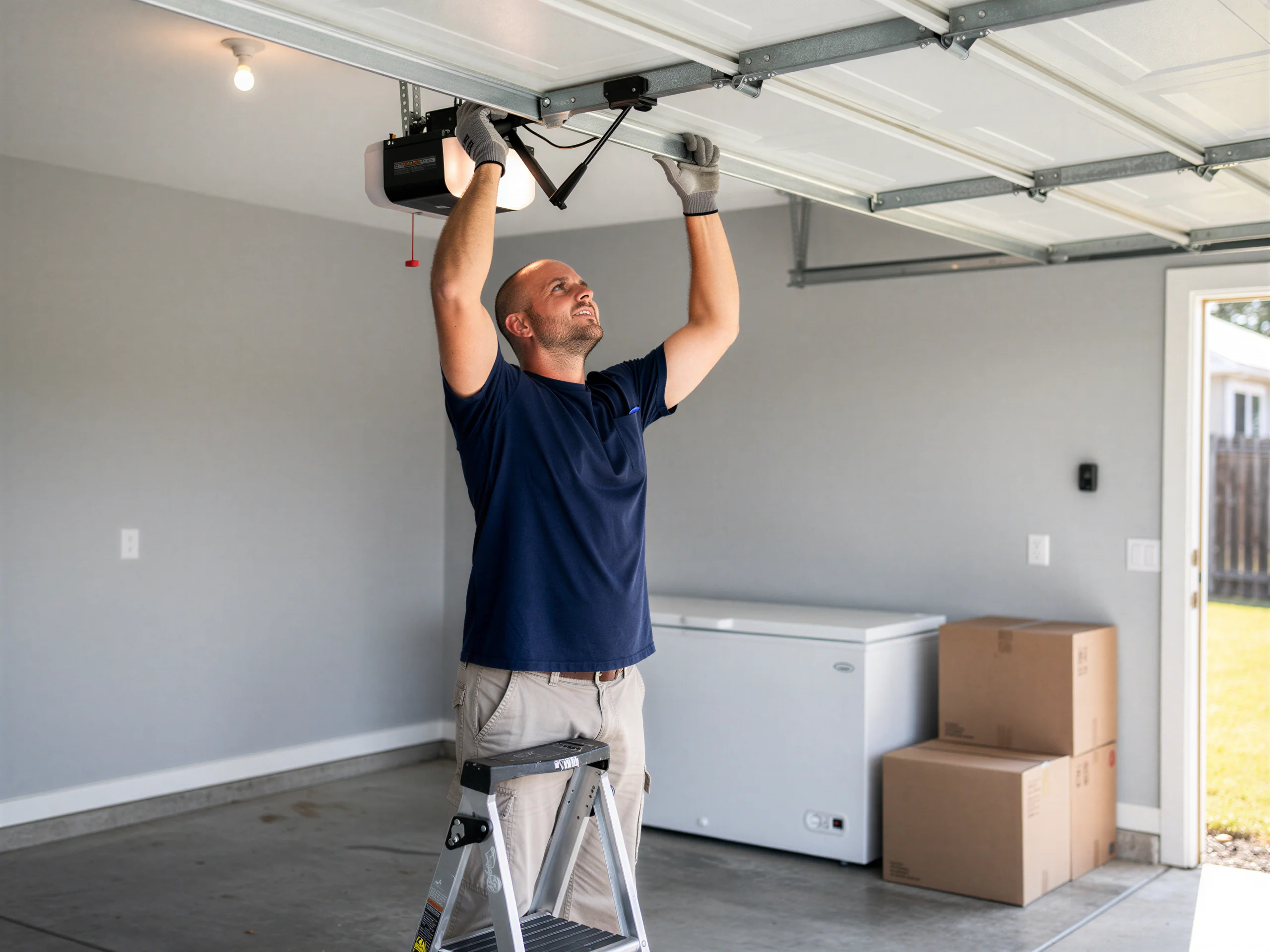
A maintenance visit on a Whittier door usually runs through the same sequence: check spring tension and wind count, inspect cables for fraying at the drum, pull and regrease the rollers, check track alignment at the bend points, and test the opener's force and travel limits.
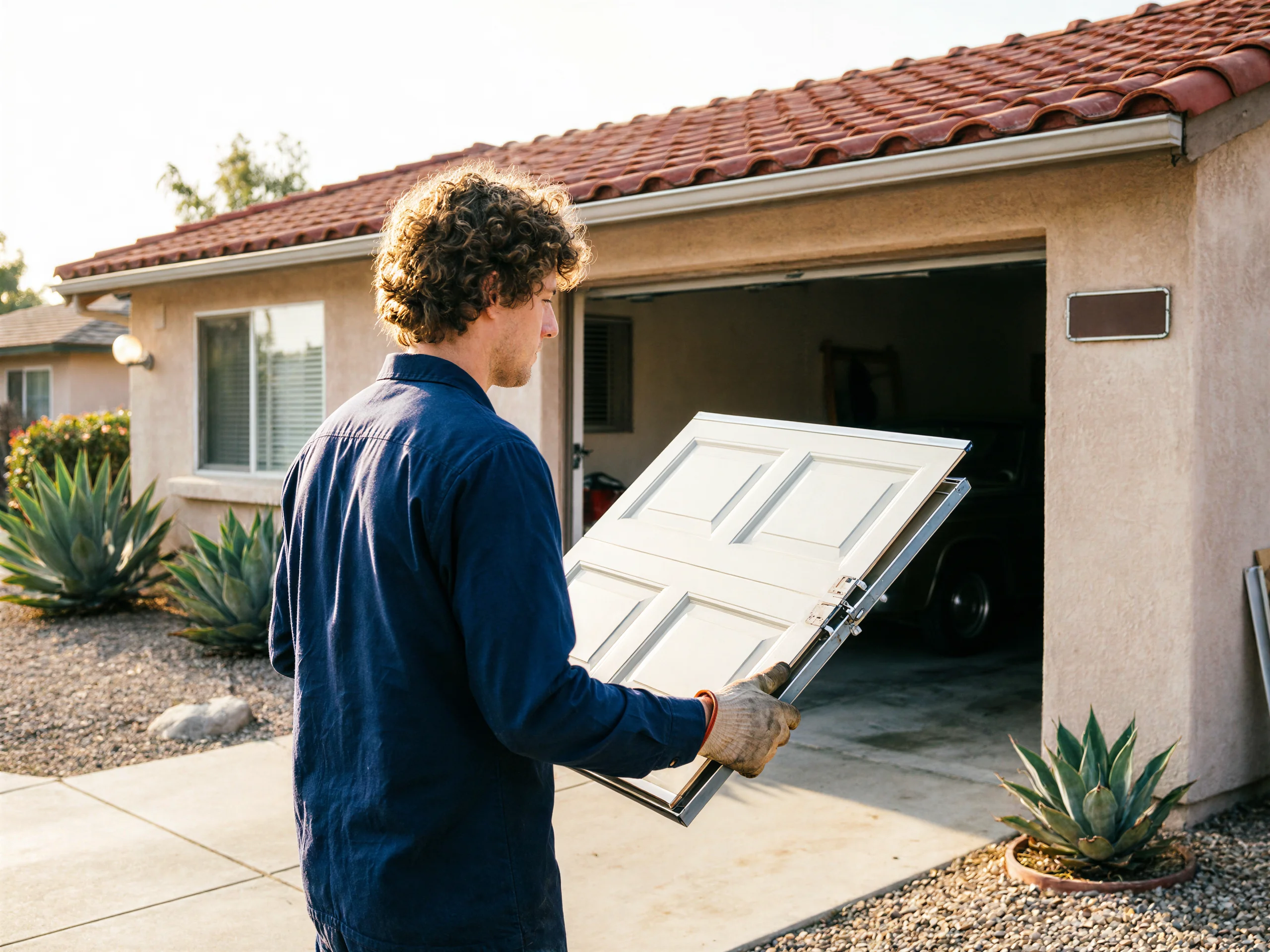
On a door with original hardware from the 1960s or 70s, we're also checking whether the torsion bar and end bearing plate are still carrying the load evenly, since those parts don't get easier to source the older they get.
Most visits take under an hour unless we find something that needs a part swap on the spot. We won't tell you a cable needs replacing if it's got life left in it - tightening and lubricating what's already working is most of the job, not selling new parts.
The honest limit here: if a door has multiple failures stacking up at once (bent track plus a dying opener plus a spring at end of life), a tune-up isn't the right call anymore, and we'll say so instead of patching around it.
Symptoms
The pattern we see across the service area is consistent: a door that used to lift smooth starts groaning partway up, or the opener strains and reverses before it reaches the top. Owners often describe it as the door getting "heavier" over a few months, which is really the spring losing tension or the rollers binding in a track that's picked up grit. On older doors, you'll sometimes hear a rhythmic squeak tied to a specific roller rather than the whole track. None of these are dramatic failures - they're slow ones, which is exactly why a scheduled tune-up catches them months before the door drops the last inch and stays shut, or a spring lets go while someone's standing under it.
Local causes
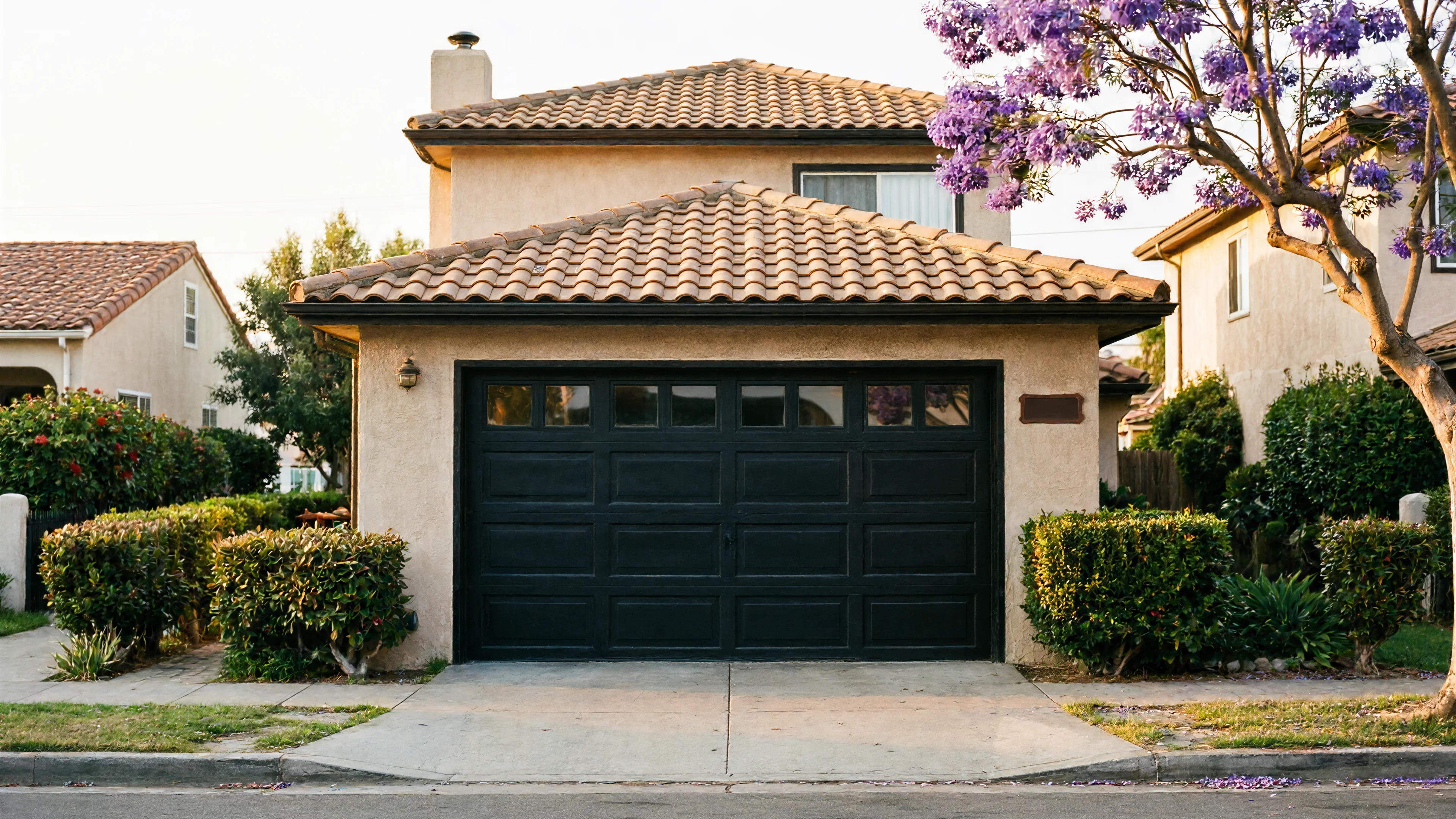
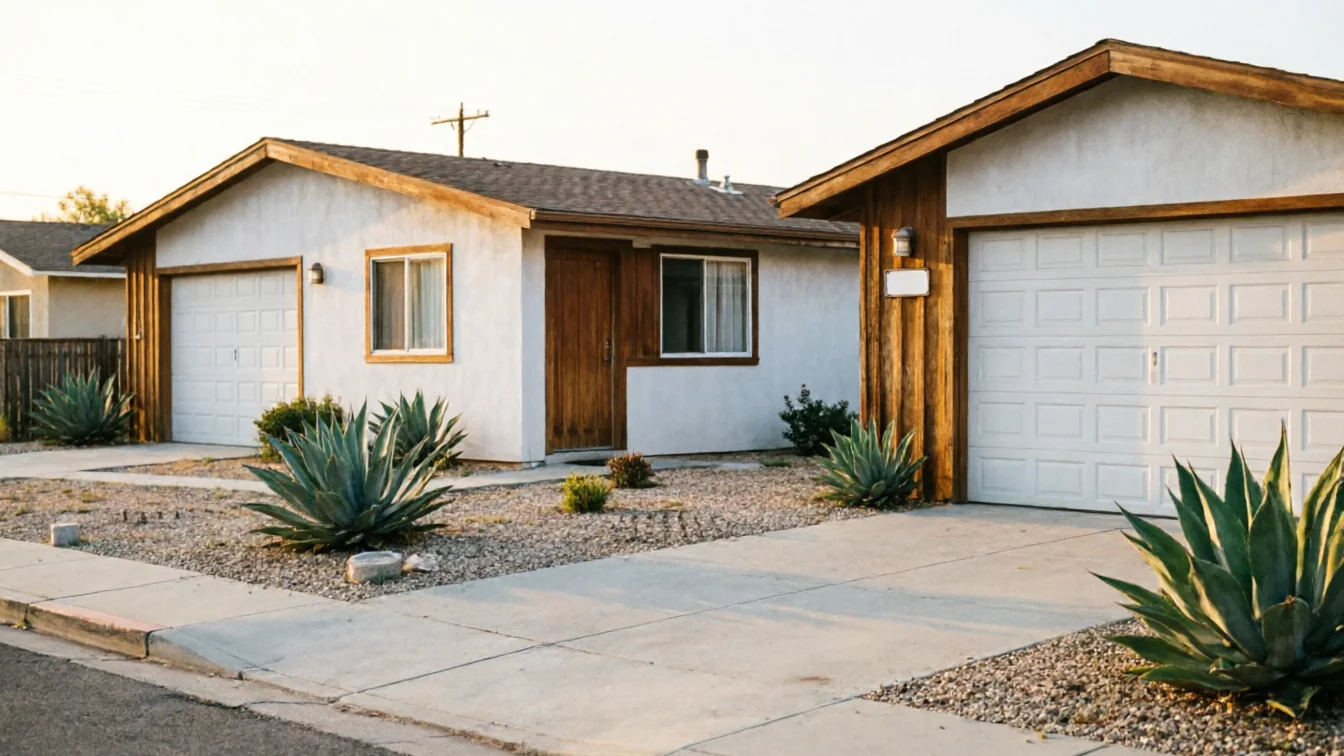
F1 and F2 matter here more than people think. Housing across this service area was built mostly between 1943 and 2012, with a median build year of 1964 and the bulk of stock dating to the 1960s and 70s across the 86 named communities we cover.
That means a large share of the doors we service are running original or first-replacement hardware - torsion springs, drums, and track brackets sized to specs that aren't always what's sold off the shelf today.
Lubricant on 50-year-old hardware doesn't fail from cold the way it might in a harsher climate; this is a mild temperate zone, so we're not dealing with ice-locked tracks or extreme thermal cycling.
What we're dealing with instead is lubricant that's simply aged out - gone gummy or dried to a varnish after years of regular use in moderate heat, which raises friction on rollers and hinges gradually rather than all at once. That slow friction creep is what pushes openers to overwork and springs to wear faster than their rated cycle count.
On the truck
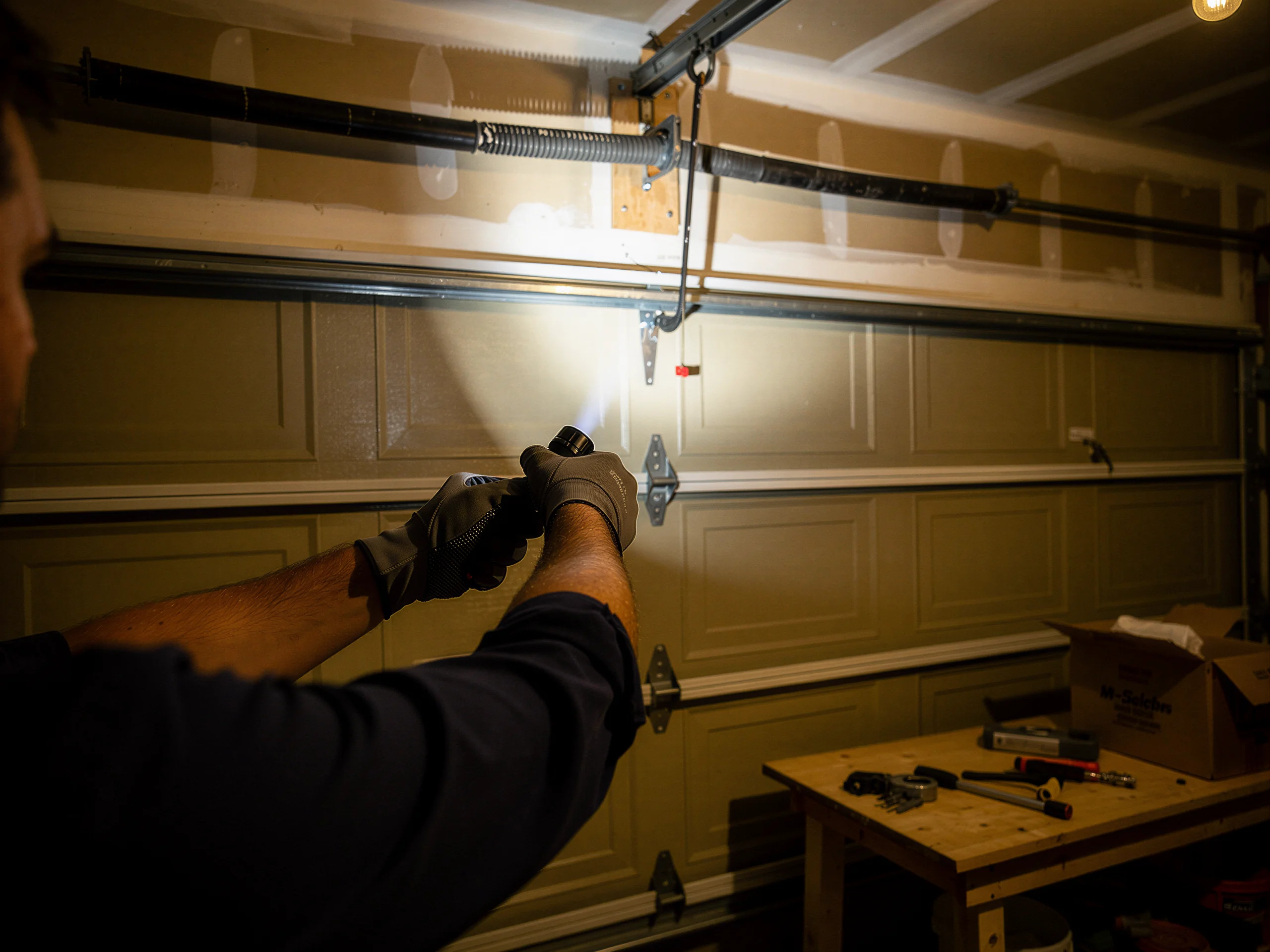
Because so much of the door stock here dates to the 1960s and 70s, we carry rollers, hinges, and standard-size torsion springs sized to match that era's hardware, not just current builder-grade parts. Cables and end bearing plates are common swap items during a tune-up visit. What we don't stock on the truck is anything proprietary to a specific opener brand's internal gearing - those parts sometimes take a few days to order in, and we'll tell you that up front rather than make you wait around for a same-day fix that isn't realistic. If your door is original to a house built in that median-1964 window, it's worth asking whether your spring and drum size are still something we carry before you schedule, so we show up with the right part the first time.
Questions
Once a year is reasonable for most doors here, given the mild temperate climate that doesn't put extreme stress on hardware. If your door was built in the 1960s or 70s like much of the housing stock in this area, a yearly check catches aging lubricant and spring wear before they turn into a stuck or dropped door.
Often yes, if the noise is from dry rollers or a slightly misaligned track - a tune-up regreases and realigns those parts. If the noise is a spring near the end of its wind count, we'll flag it during the visit rather than just quiet it down temporarily, since a spring that's about to go needs replacing, not lubricating.
Sometimes. A lot of homes in this service area date to the 1960s and 70s, and original torsion springs and brackets from that period aren't always sized like current hardware. We carry parts sized for that era so a tune-up doesn't stall out waiting on a special order.
Explore more
Ready when you are
Whittier Garage Door Pros repairs and installs garage doors, springs and openers in Whittier, CA and the surrounding area.