Whittier, CASame-day service/Free estimates/Licensed & insured(562) 581-7909

Whittier, CA

Garage Door Panel Replacement for Whittier Homes

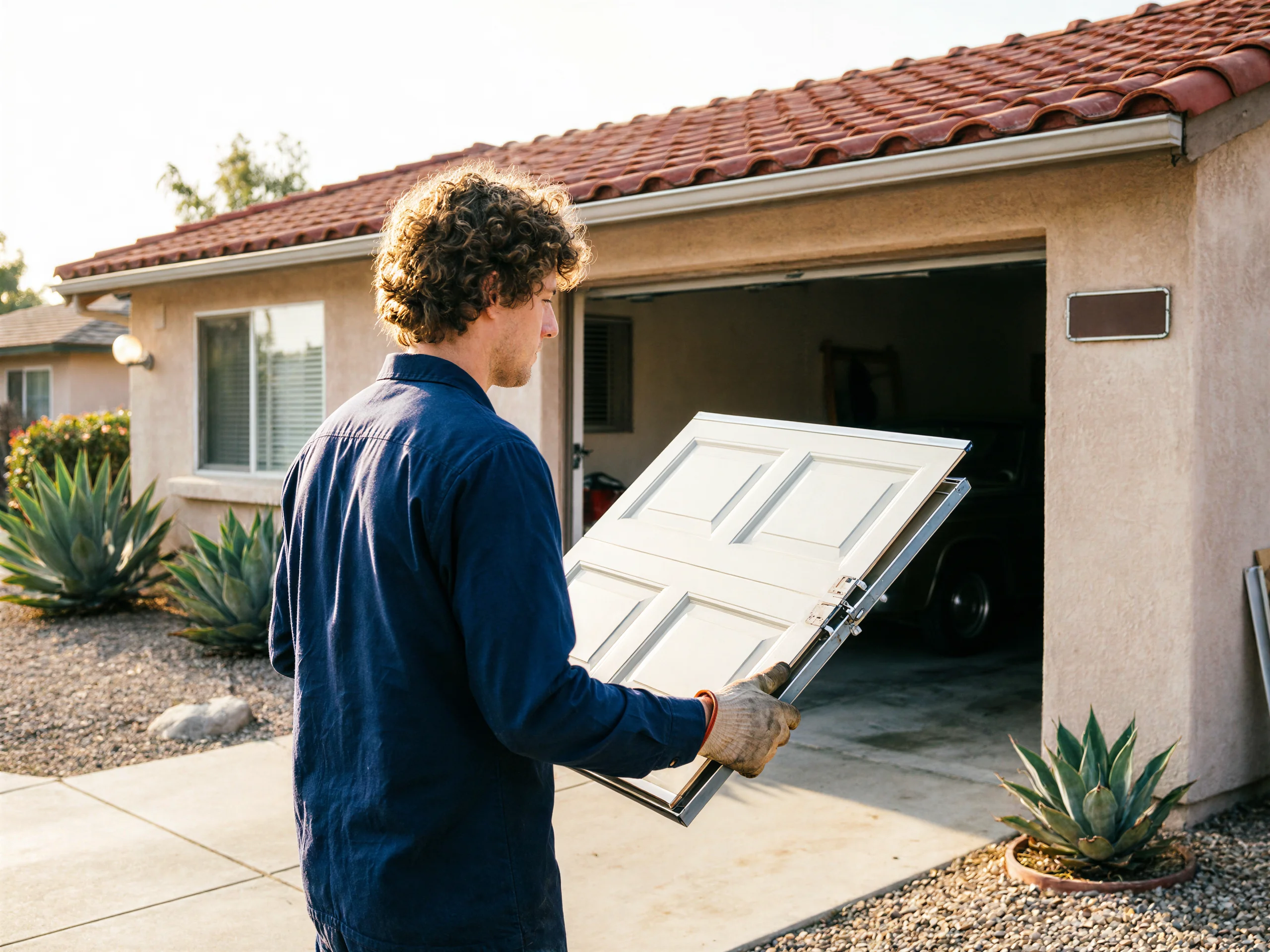
Dented or cracked garage door panels are common in Whittier's 1960s-70s housing stock. We match panels, order discontinued sections, and swap only what's damaged.

A technician carries a white garage door panel toward an open garage.
Same-day service in most cases
Serving Whittier, CABackground-checked techsHonest, upfront pricingFast local response
Local
Crews that work this area daily
Same-day
Response for most repair calls
Upfront
Pricing agreed before we start
Insured
Background-checked technicians

The repair

What the Repair Takes

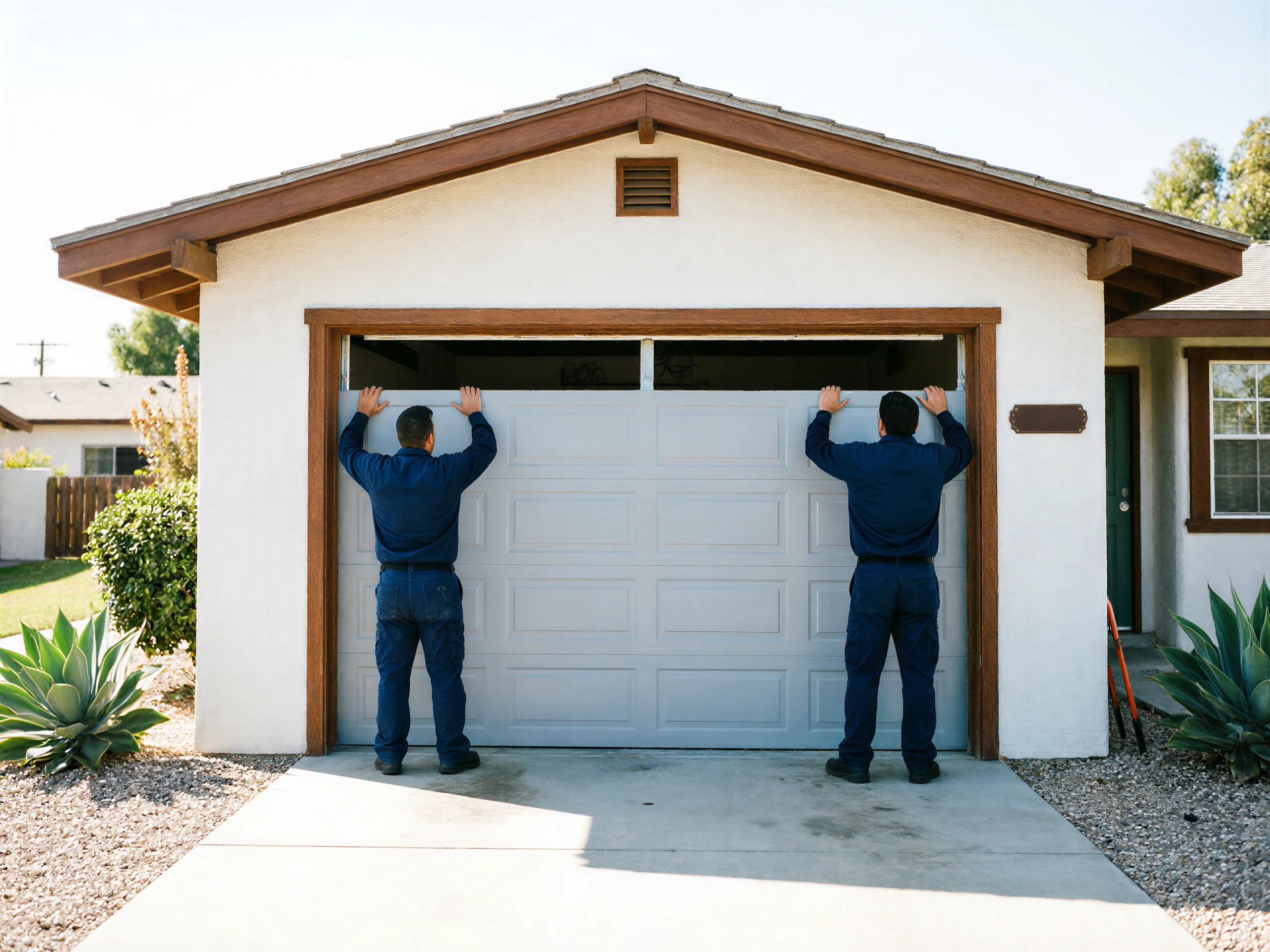
Panel replacement is not a full door swap. We pull the damaged section, match it to the existing track width and hinge spacing, and set the new panel into the run without disturbing the spring tension on the rest of the door.

  1. Hinge swap for panels

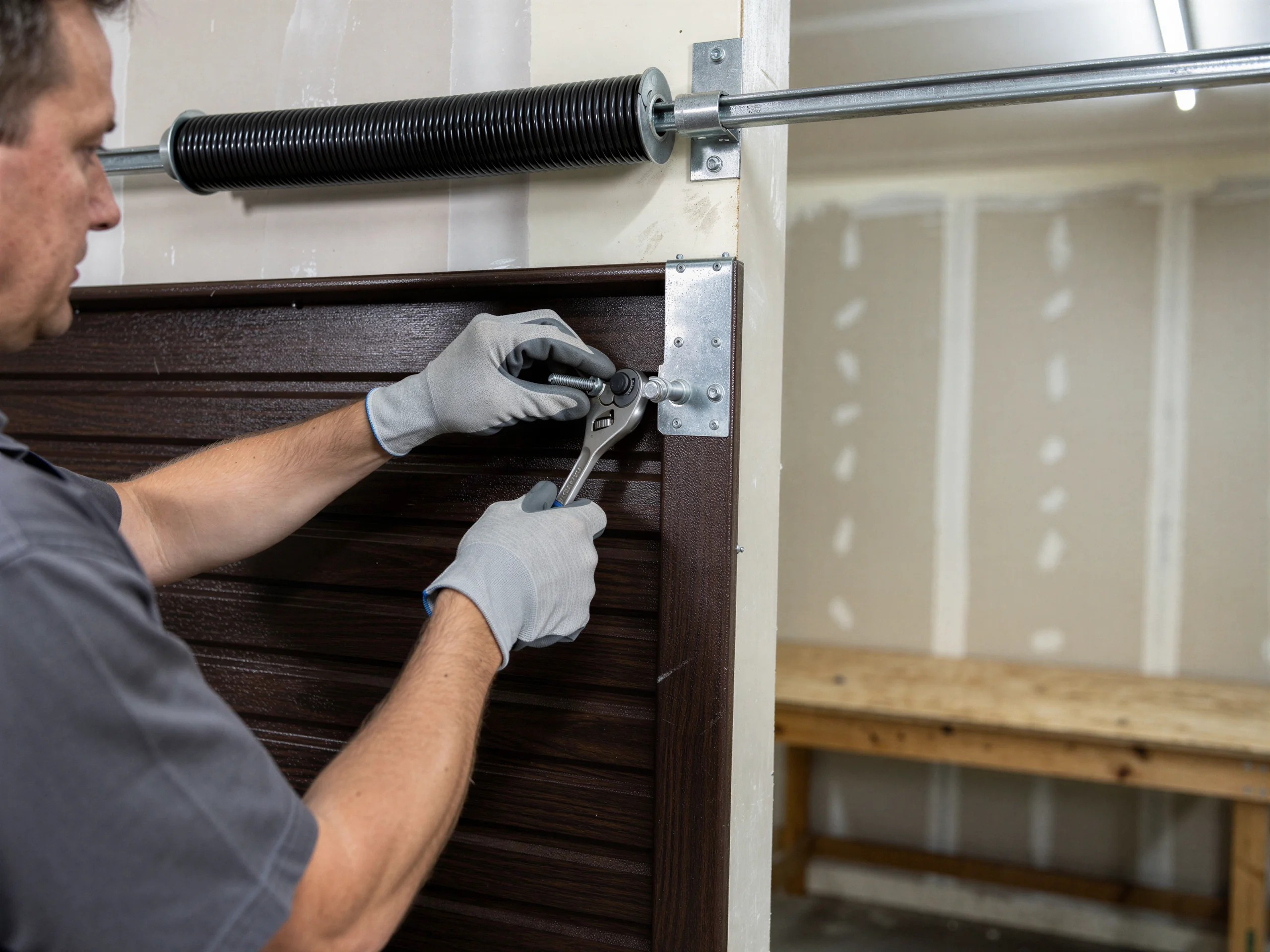
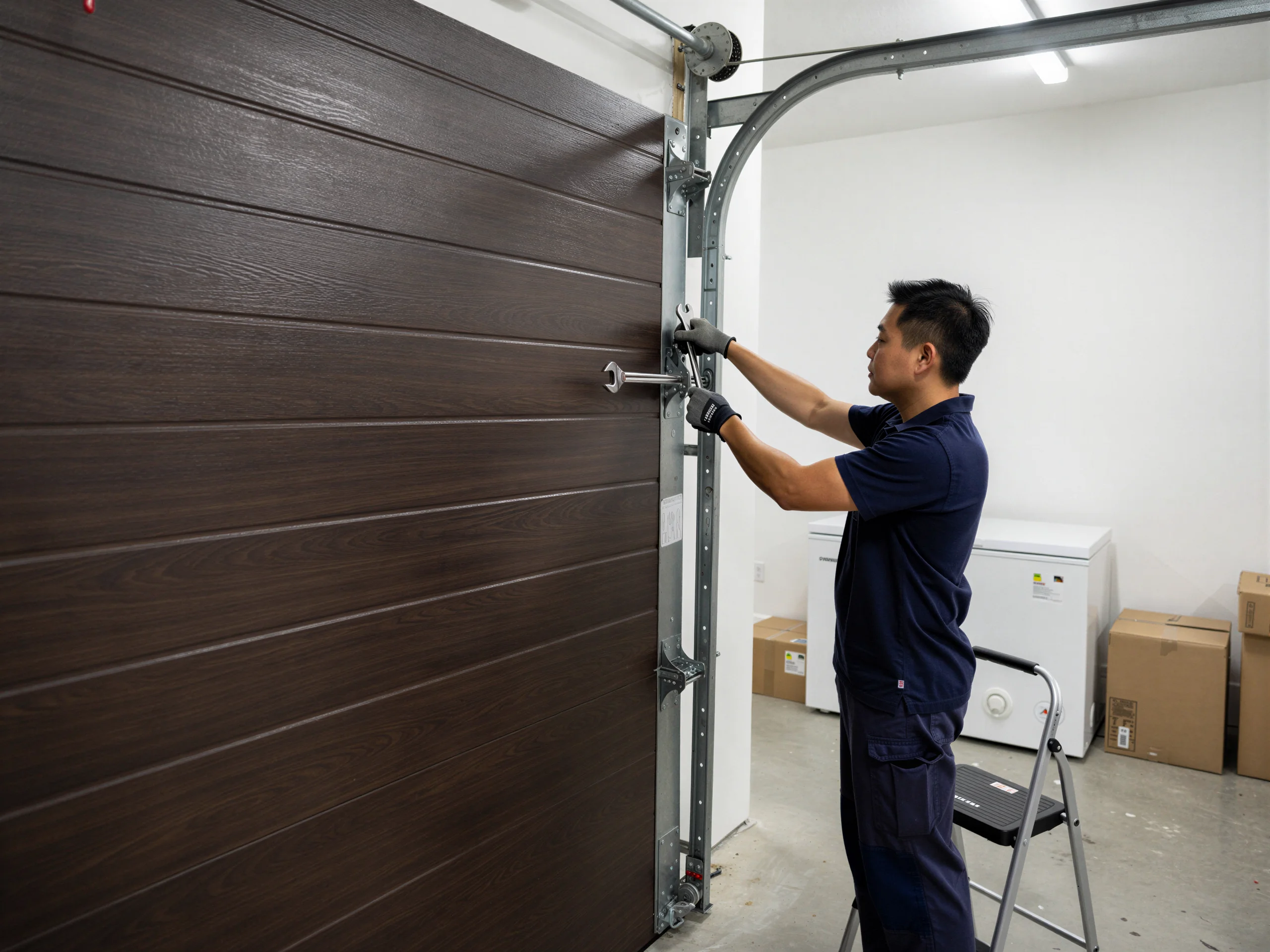
    On a standard sectional door this means loosening the hinges above and below the bad panel, sliding it out, and bolting the replacement in. If the door is a single-panel or older roll-up style - more common on houses built before the 1970s - the whole face may need to come off the track to get at the damaged section, which adds time to the job.

  2. Matching panel profile

    The tricky part in a service area built mostly between 1943 and 2012, with a median build year around 1964, is finding a panel that matches. Steel gauge, rib pattern, and window cutouts changed by decade, and a manufacturer that made a matching panel in 1968 may not make that profile today.

  3. Stock panel sizes

    We carry stock for the sizes and styles most common in this housing era, and when we don't have an exact match, we'll say so before we start the job rather than after. A full panel swap on a sound door usually runs faster and cheaper than replacing the whole unit, but if two or more panels are bent or the track is twisted, replacement often makes more sense than chasing parts.

Symptoms

The Symptom

The usual call starts the same way: a bottom panel is dented from a bumper tap or a trash can, or a middle panel has buckled where a kid's bike clipped it.

Rust at bottom edge

Sometimes it's not impact at all - a panel has rusted through at the bottom edge where water sits against the steel, or a seam has split from decades of expansion and contraction. The door still opens. That's the part homeowners don't expect to hear matters.

Dents throwing off stacking

A dented panel doesn't usually stop the door from moving, but it throws off how the sections stack against each other, which puts uneven load on the rollers and hinges nearby. Left alone, one bad panel turns into two - the hinge above it bends trying to compensate, then that section starts to show the same stress.

Bowed or cracked panels

If you're seeing a panel that's visibly bowed, a crack along a rib line, or rust bubbling through paint near the bottom edge, that's a panel problem, not a spring or opener problem, and it's worth having someone look at the specific section before it spreads to the ones next to it.

Local causes

Why This Fails Locally

Most of the houses across this service area went up in the 1960s and 70s, with the broader range running 1943 to 2012. Doors on homes from that first wave have had sixty-plus years of sun, and steel panels from that era don't flex the way newer composite or insulated sections do - they dent and stay dented instead of springing back.

The climate here is mild temperate, which is kinder to doors than a region with hard freezes, but it's not nothing. Steady sun exposure on south- and west-facing garage doors fades paint and dries out the seals between panels, so a panel that's already a little brittle from age cracks instead of flexing when something hits it. We don't see the ice-related panel splits that cold-climate companies deal with, but we do see UV-brittle steel and rust at the bottom panel edge, where sprinkler overspray or a slow slope toward the door keeps that one section wet longer than the rest.

Houses built later in the range, into the 1990s and 2000s, tend to have composite or insulated steel panels that take an impact better, but even those crack at the corners if the door's been out of alignment for a while before anyone calls.

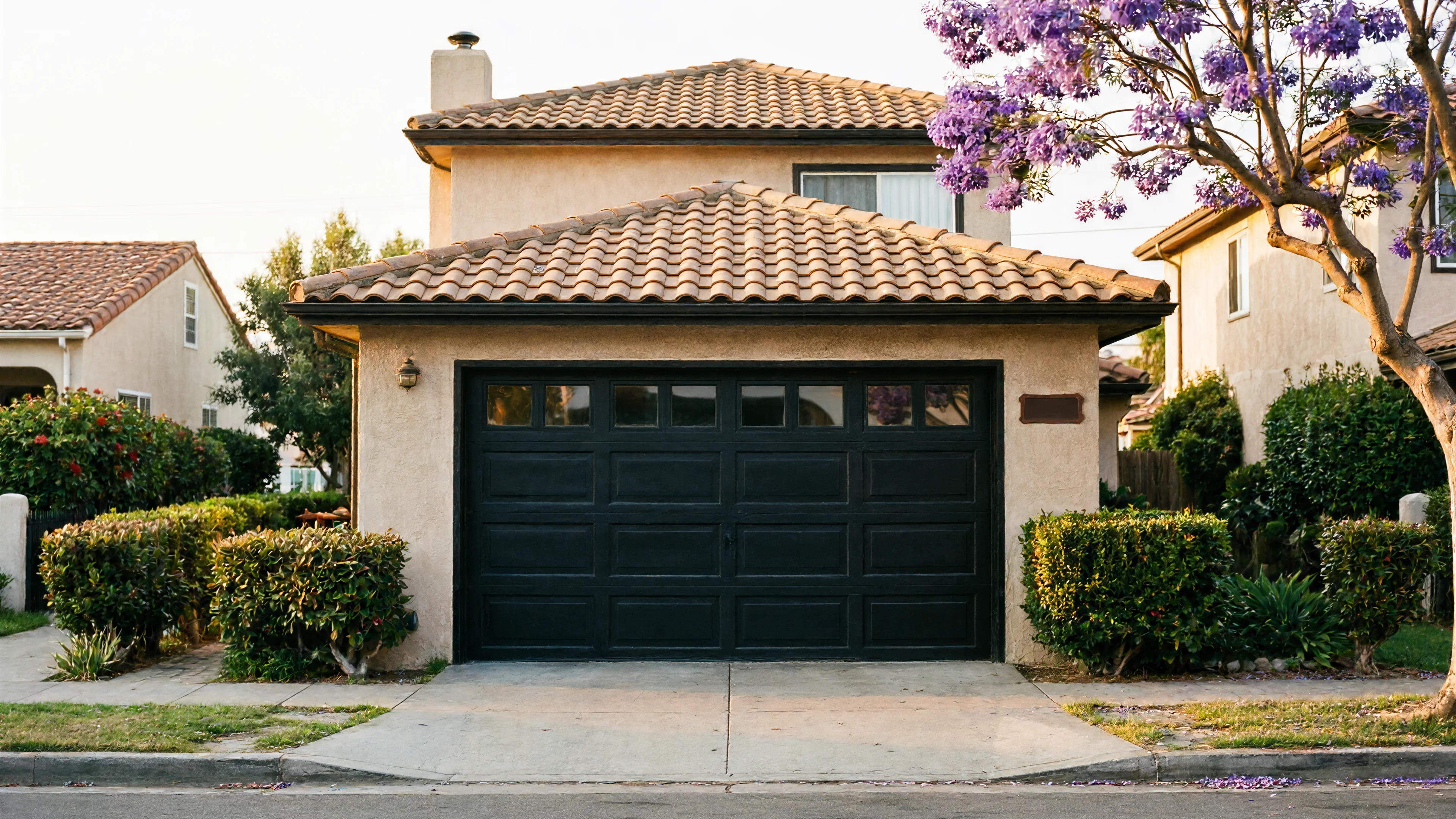
A black garage door with windows is on a tan house with a tile roof.

On the truck

Stocked Parts

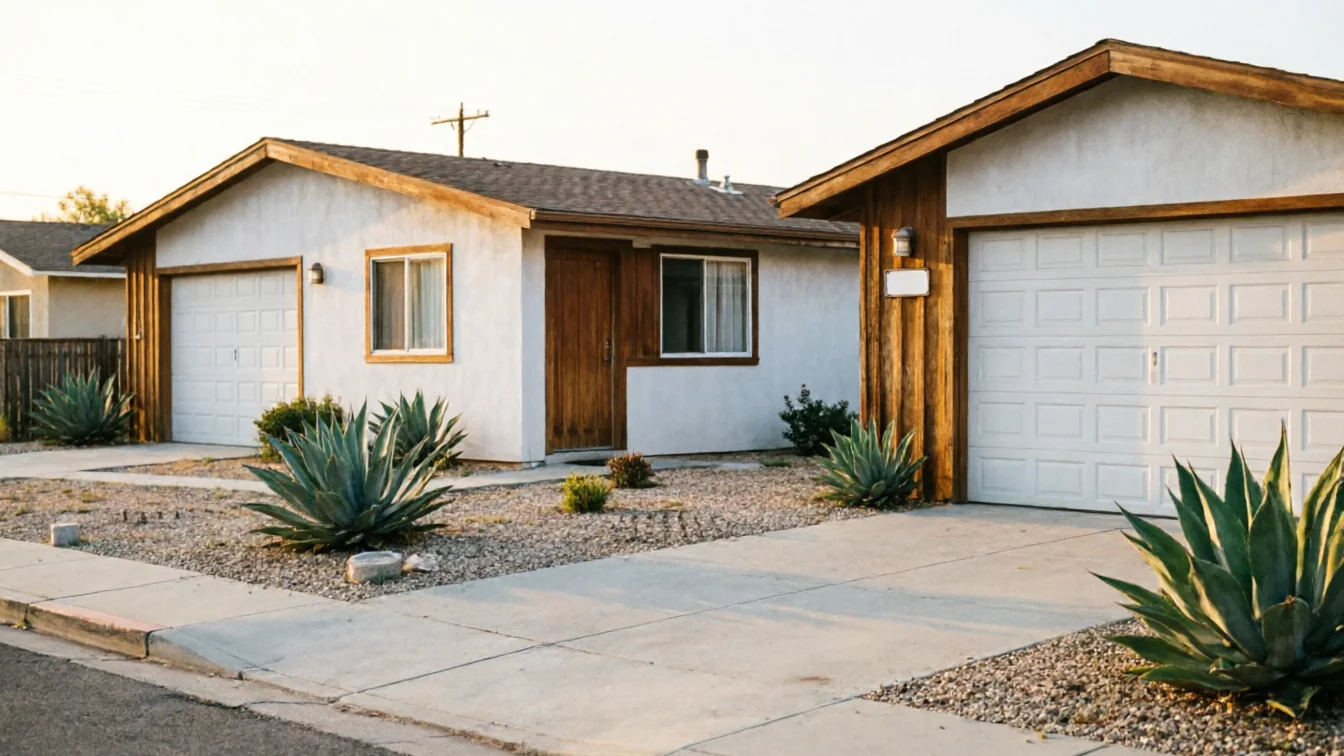
Two white houses with white garage doors and agave plants in front.

We keep panel stock sized for the sectional doors most common in homes built from the 1960s through the 1990s, since that covers the bulk of what we're called out for across the area. For older single-piece or early roll-up doors, or for a specific color match on a newer insulated panel, we often have to order the section rather than pull it off the truck - that can mean a short wait before the job finishes.

We'll tell you up front if your panel is a stock item or a special order. We don't install a mismatched panel just to finish same-day, and we don't recommend a full door replacement when one section and a couple of hinges will do the job properly. If the track or opposing panels are also damaged, we'll flag that during the estimate so you're not back on the phone in a month.

Questions

Common questions

Can you replace just one panel, or does the whole door have to come off?

On most sectional doors built from the 1960s onward we can replace a single panel without removing the rest of the door - we loosen the hinges above and below it and slide the new section into the existing track. Older single-piece or early roll-up doors sometimes need the whole face off the track to access the damaged section.

Will the new panel match the rest of my door?

We stock panel sizes and profiles common to homes built in the 1960s-90s range, which covers most of this area's housing stock. If your door is older or uses a style we don't carry, we order the matching section rather than install something close - we'll tell you which case you're in before we start.

Is panel replacement cheaper than a new door?

Usually, if the damage is limited to one or two sections and the track and opener are sound. Once three or more panels are bent, or the track is twisted along with the panel, full replacement often costs less than chasing discontinued parts panel by panel.

Why does my bottom panel rust before the others?

The bottom panel sits closest to ground moisture - sprinkler overspray, a slope toward the garage, or standing water after rain. Even in a mild climate, that one section stays wet longer than the panels above it, so paint fails and rust starts there years before the rest of the door shows it.

Ready when you are

Need a garage door sorted in Whittier?

Whittier Garage Door Pros repairs and installs garage doors, springs and openers in Whittier, CA and the surrounding area.

Call NowGet a quote