
Pre-1990s panel matching
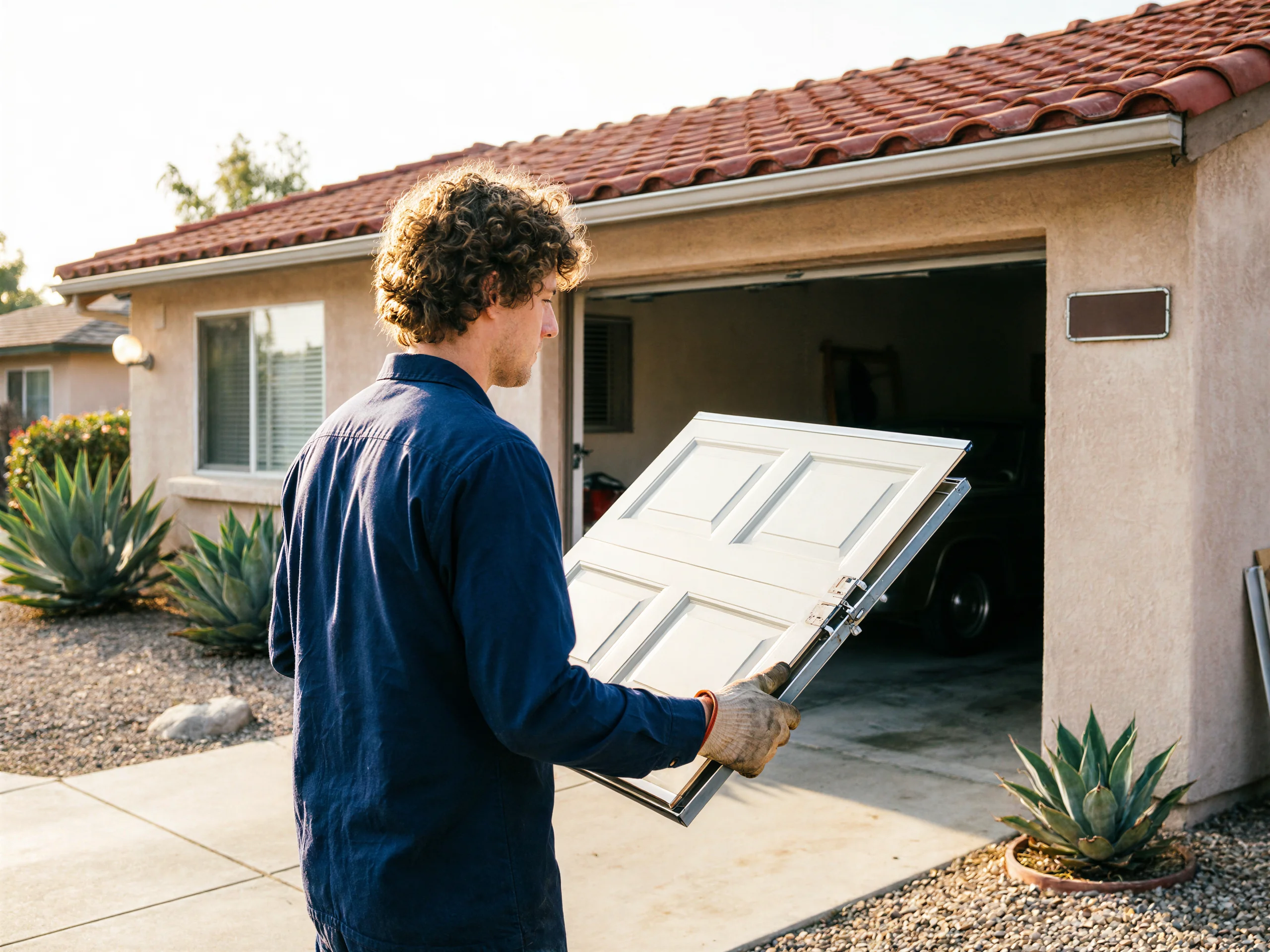
What isn't DIY-friendly is matching a panel on a door built before the 1990s, because the mounting hardware and the hinge spacing often changed between model years even from the same manufacturer.
South Whittier, Whittier
South Whittier homes built around 1957 often need panel swaps on steel doors from the 70s and 80s retrofits. Here's what the repair costs and when it's worth it.
Local causes
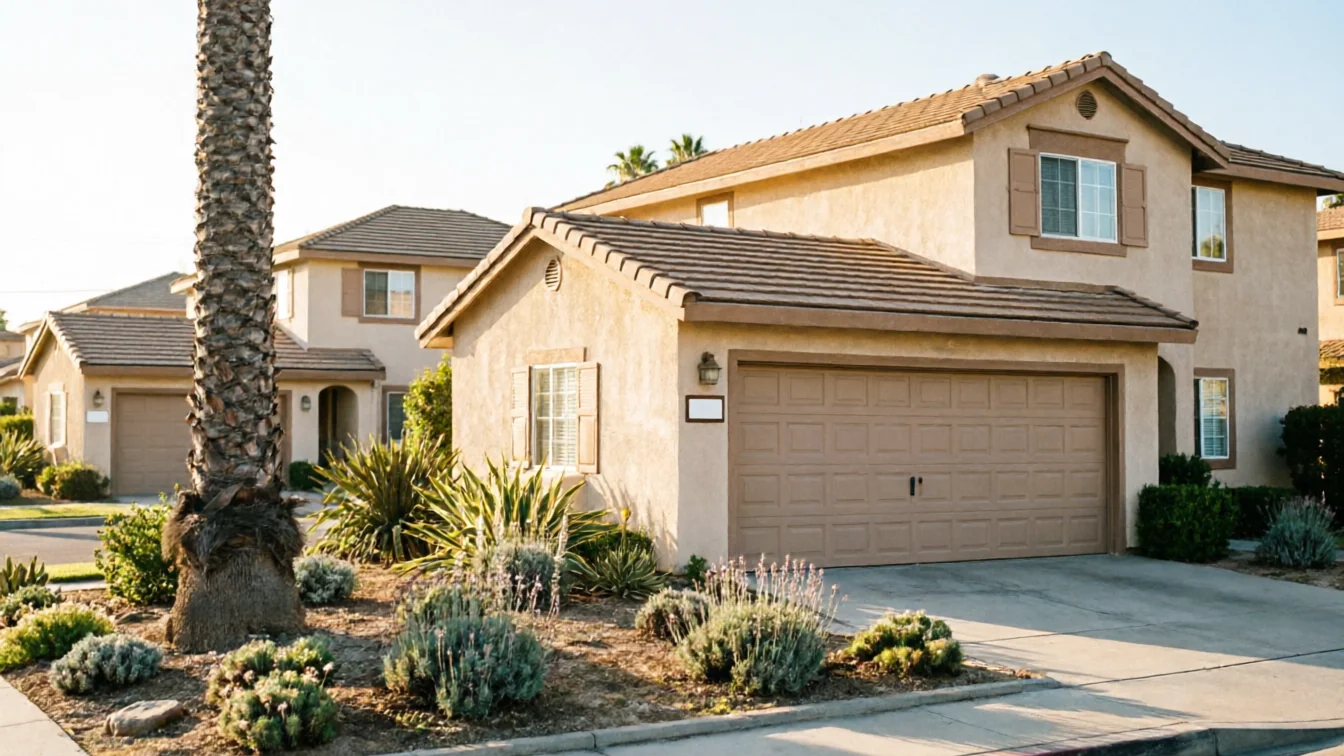
South Whittier's median household income sits at $98,974, which puts a lot of homeowners here right at the line where a single dented or rusted panel is worth fixing, but a second or third damaged panel tips the math toward a full door. The houses themselves were mostly built around 1957, which means a good share of the original garage doors were already swapped once in the 70s or 80s for steel sectional doors, and those replacement doors are now 40-plus years old themselves. Finding a matching panel for a door that's been discontinued since before most of us were driving is the real failure point. You're not just replacing a panel, you're hunting down one that still fits the track spacing and hinge pattern from a different era of manufacturing. That's the job that turns into a full-door conversation fast.
DIY or pro
A single bottom panel with a known section number, on a door still in production, is within reach for a handy homeowner with the right clamps and two extra sets of hands.
What isn't DIY-friendly is matching a panel on a door built before the 1990s, because the mounting hardware and the hinge spacing often changed between model years even from the same manufacturer.
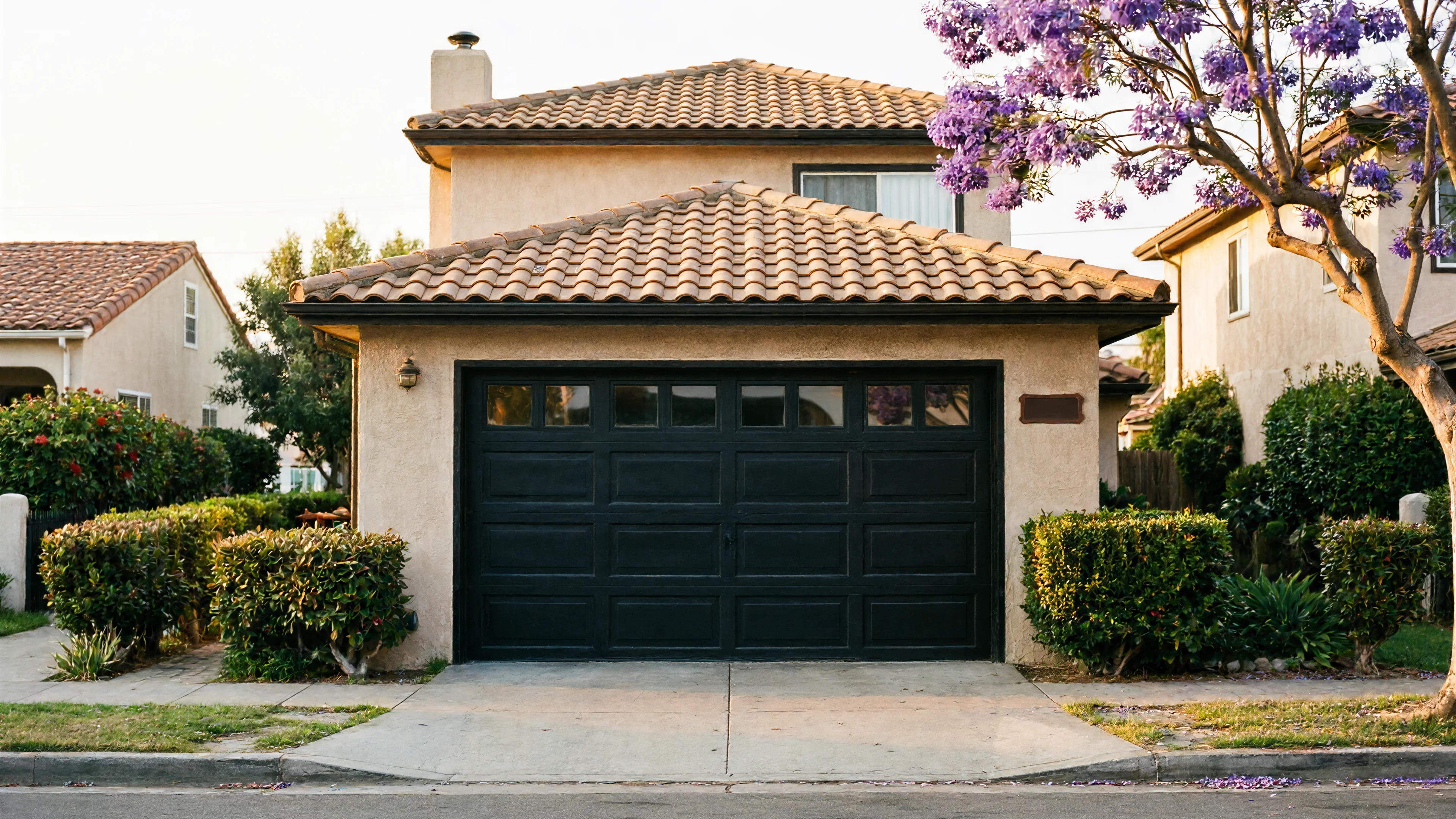
On a 1957-era South Whittier house that's seen one or two door replacements over the decades, you often can't tell what you're dealing with until the old panel is off the track, and by then you've got a door apart with no guarantee the new piece lines up. That's the point where calling in a pro costs less than a second trip to the hardware store.
Job timing
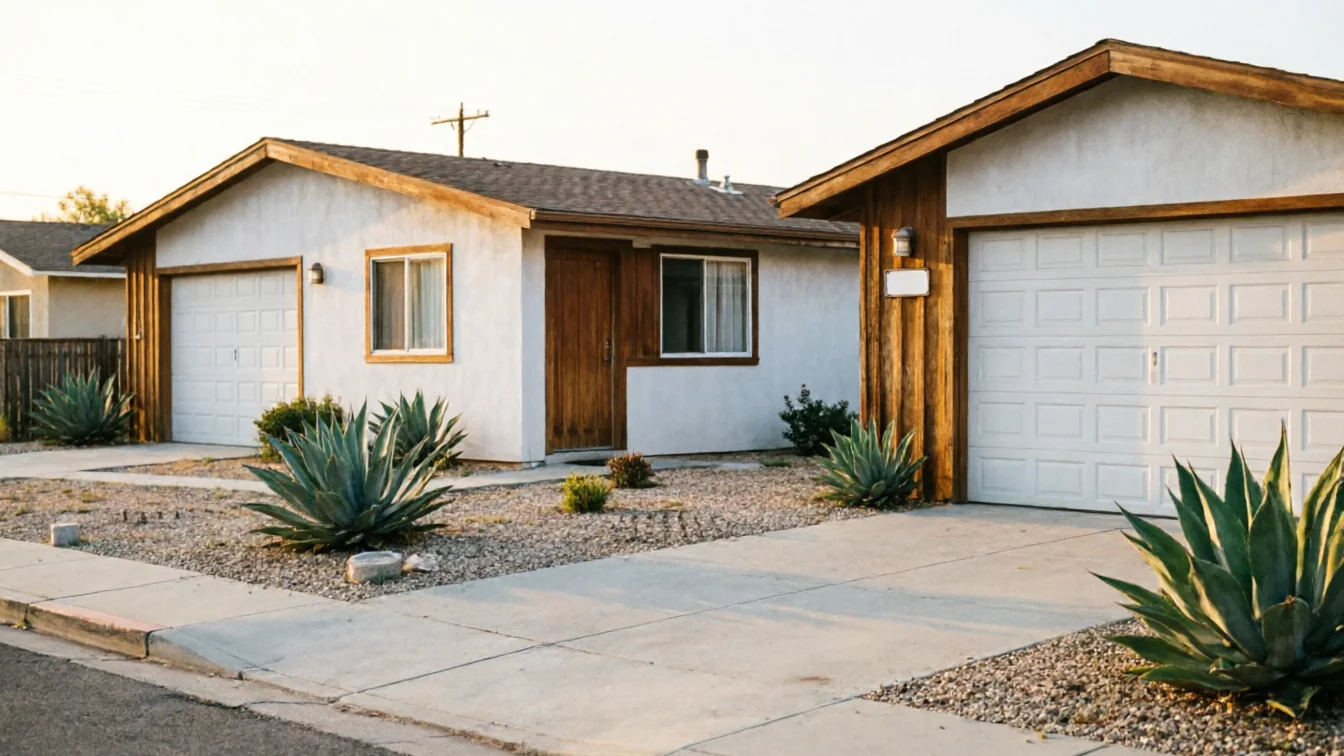
A straightforward panel swap on a door still supported by its manufacturer runs a couple hours once the right part is in hand. The time sink in South Whittier is almost always upstream of the install: tracking down a panel for a door nobody's made in twenty years. We don't carry obsolete stock on the truck, so if your door is one of the older steel sectionals common on these 1957-vintage lots, expect a parts search before a wrench ever touches the track. Mild coastal-influenced temperatures here mean we're not racing weather to get a job done, which at least keeps the schedule flexible once parts land.
Booking
We work South Whittier out of Whittier, about 2 miles up the road, so getting a tech to your driveway isn't the bottleneck.
The bottleneck is almost always the panel itself. On the call, tell us the door's approximate age and, if you can find it, any model or part sticker on the inside of the track rail or the door's end stile.
That single detail can cut a parts search from a week to a day. Book the look before you buy anything online; a panel that looks identical can still have the wrong hinge spacing for a door this old.
The repair
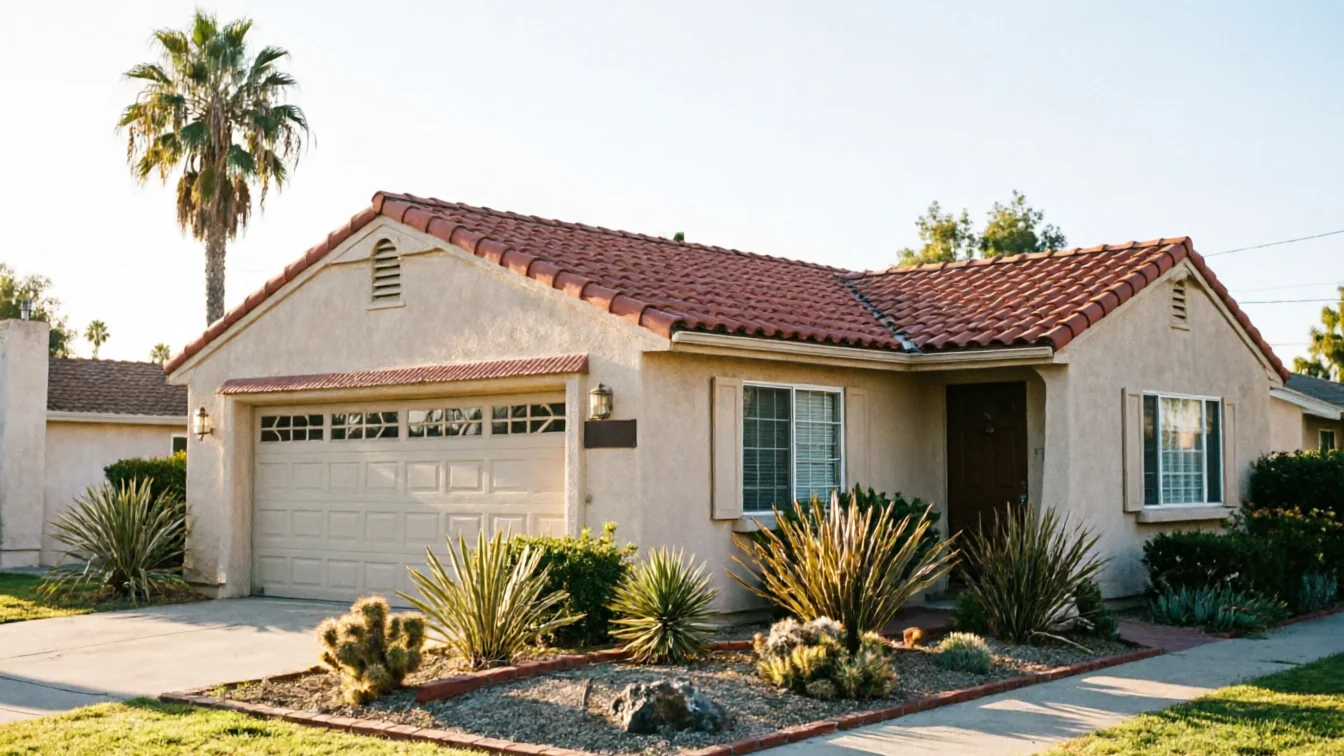
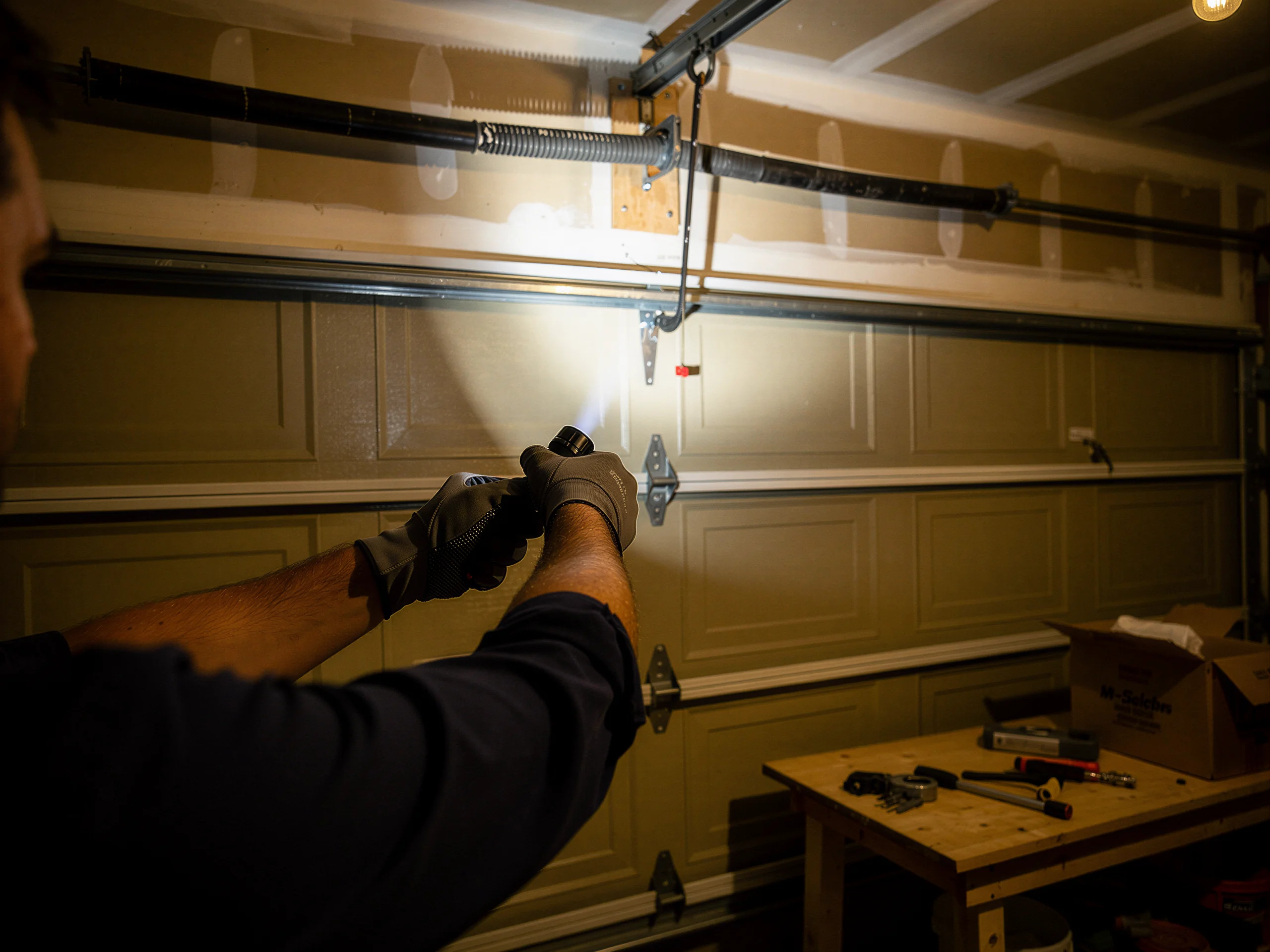
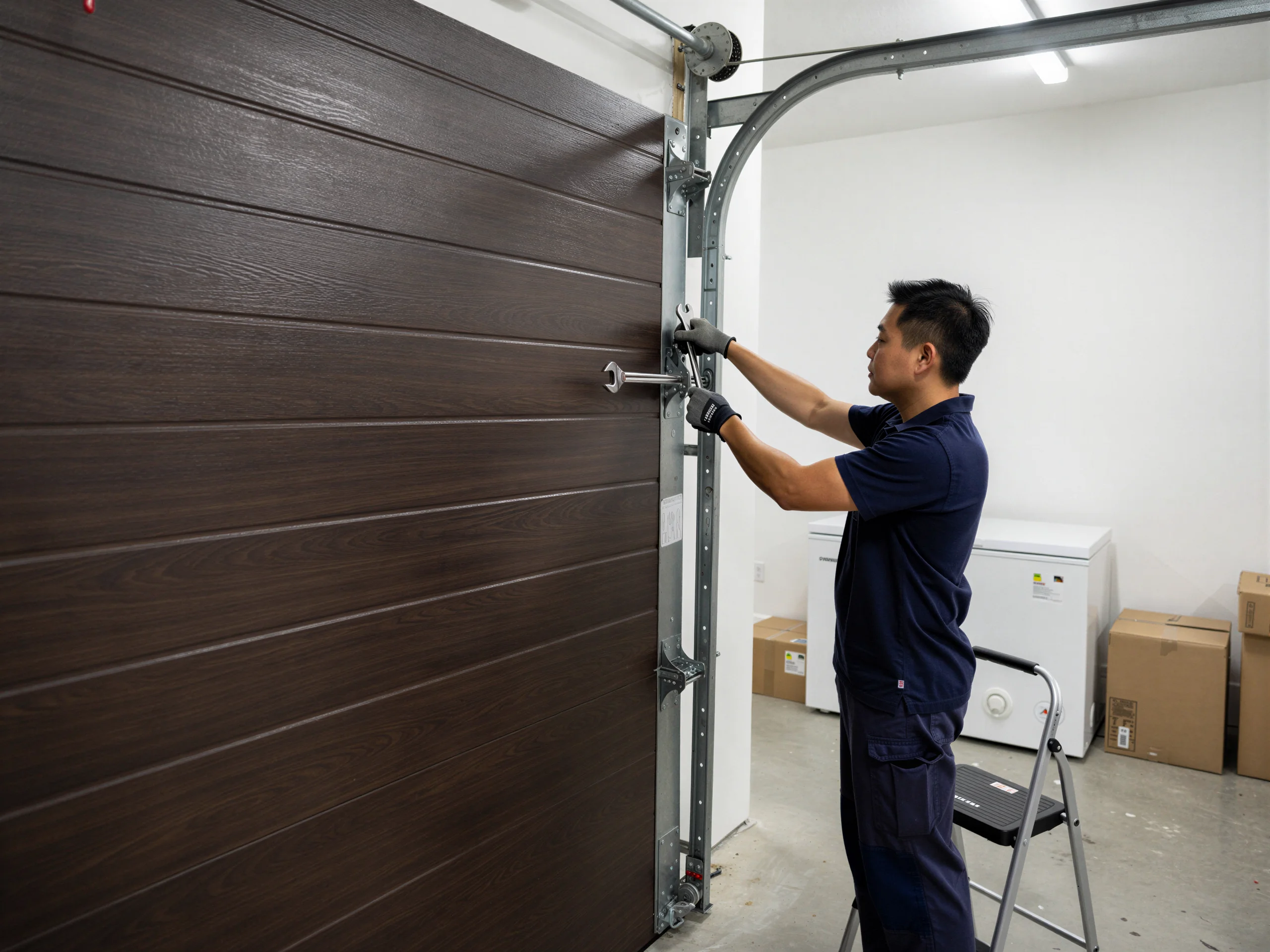
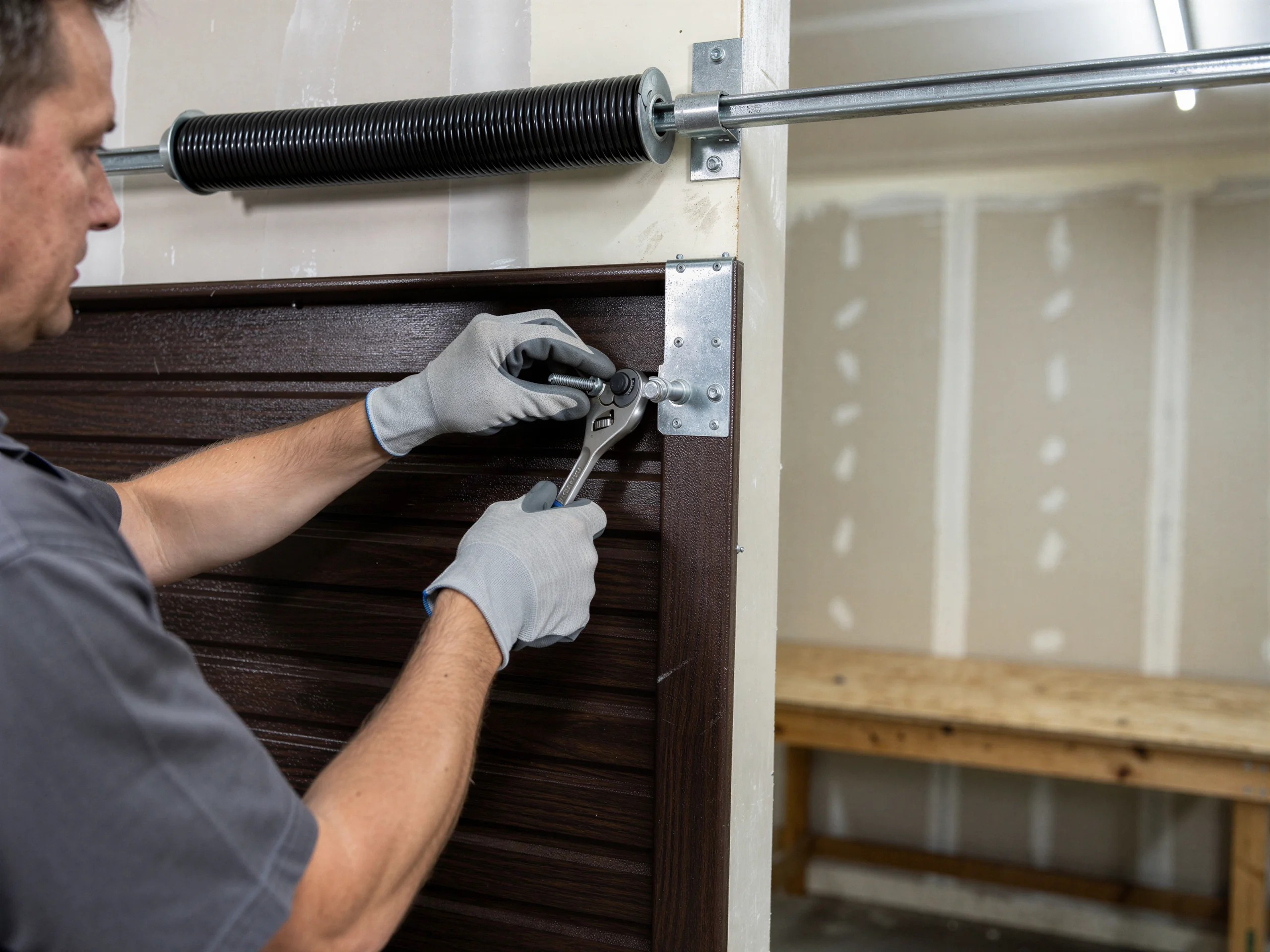
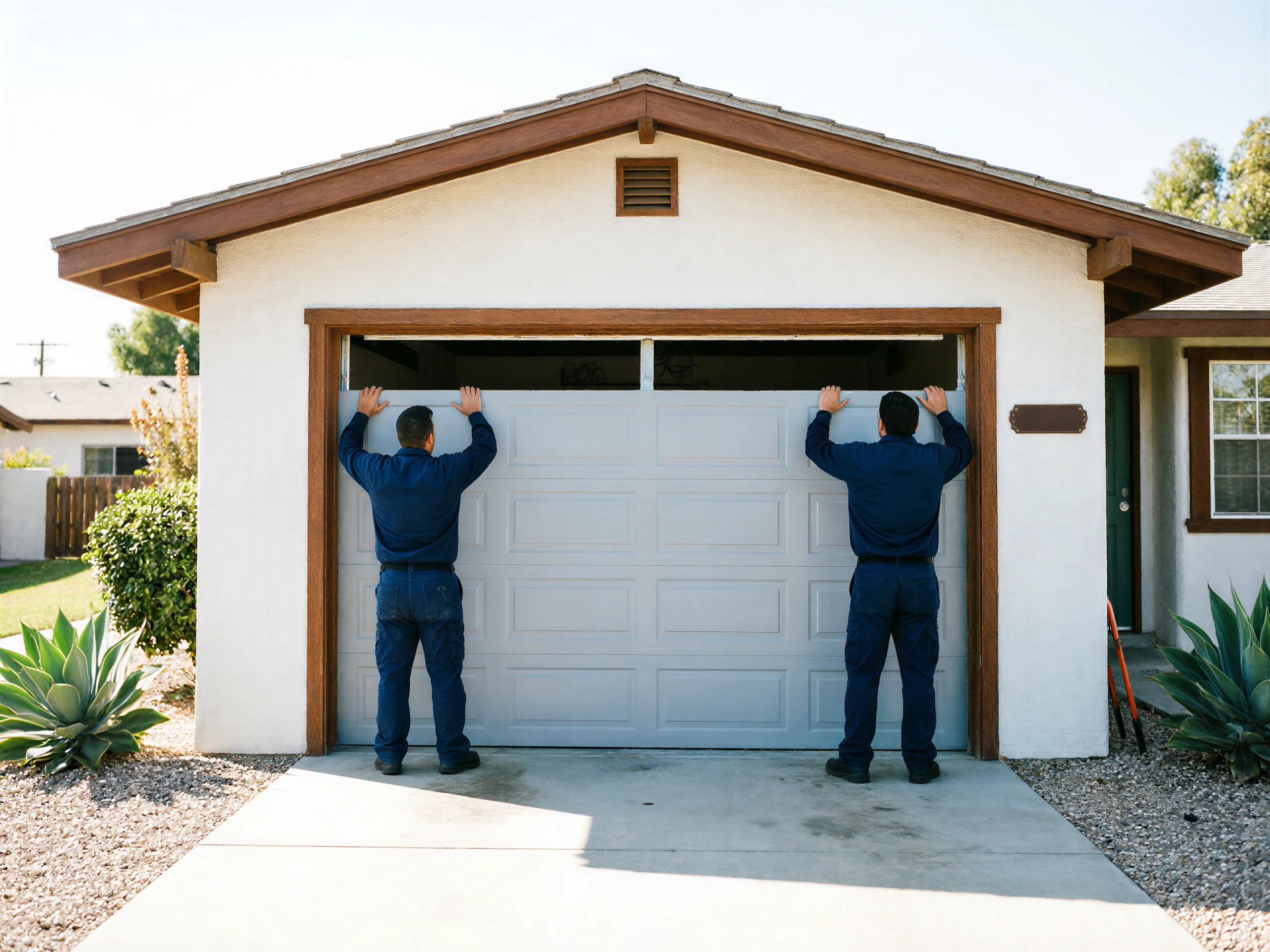
Panel replacement means unbolting the hinges holding the damaged section to the panels above and below it, sliding the new section into the track, and rehanging it with matching hardware. On newer doors that's routine. On the older steel sectionals still common on South Whittier's 1957-median housing stock, we sometimes have to re-drill hinge holes or shim a panel that's a close match but not an exact one. We'll tell you upfront if a panel is a close-enough fit or if we think the door's better off replaced outright. We don't push a repair on a door where the remaining panels are likely to fail within a year or two; that's not a repair, that's a delay.
Symptoms
The giveaway is usually a visible dent or crease from a backed-into bumper or a shopping cart, sometimes paired with the door binding slightly on the track where the damaged section has bowed. On older doors from the original 1957-era construction wave, you'll also see rust bubbling along the bottom panel seam before any dent ever shows up, since that's where water sits longest. If the door still opens and closes smoothly and the damage is cosmetic on one section, panel replacement is the right call. If it's dragging, binding, or the opener is straining, the problem may be bigger than the panel and worth a second look before you order a part.
Questions
If your door was installed in the last 15-20 years, matching parts are usually available. Older steel sectionals from 1957-era homes that had a door swap decades back are the ones where we may not find an exact panel and have to talk replacement instead.
Not damage exactly, but availability is the issue. Homes here built around 1957 often got replacement doors in the 70s or 80s, and those doors are now old enough that finding a matching panel takes longer than the install itself.
For a single panel on a door still in production, panel replacement is usually cheaper. Once you're matching an obsolete door, or facing a second damaged panel, the labor and parts-hunting cost often closes the gap with full replacement.
No. We travel from Whittier and don't carry obsolete panel stock on the truck. For doors common on older South Whittier homes, we usually need to source the part before scheduling the install.
Explore more
Ready when you are
Whittier Garage Door Pros repairs and installs garage doors, springs and openers in Whittier, CA and the surrounding area.