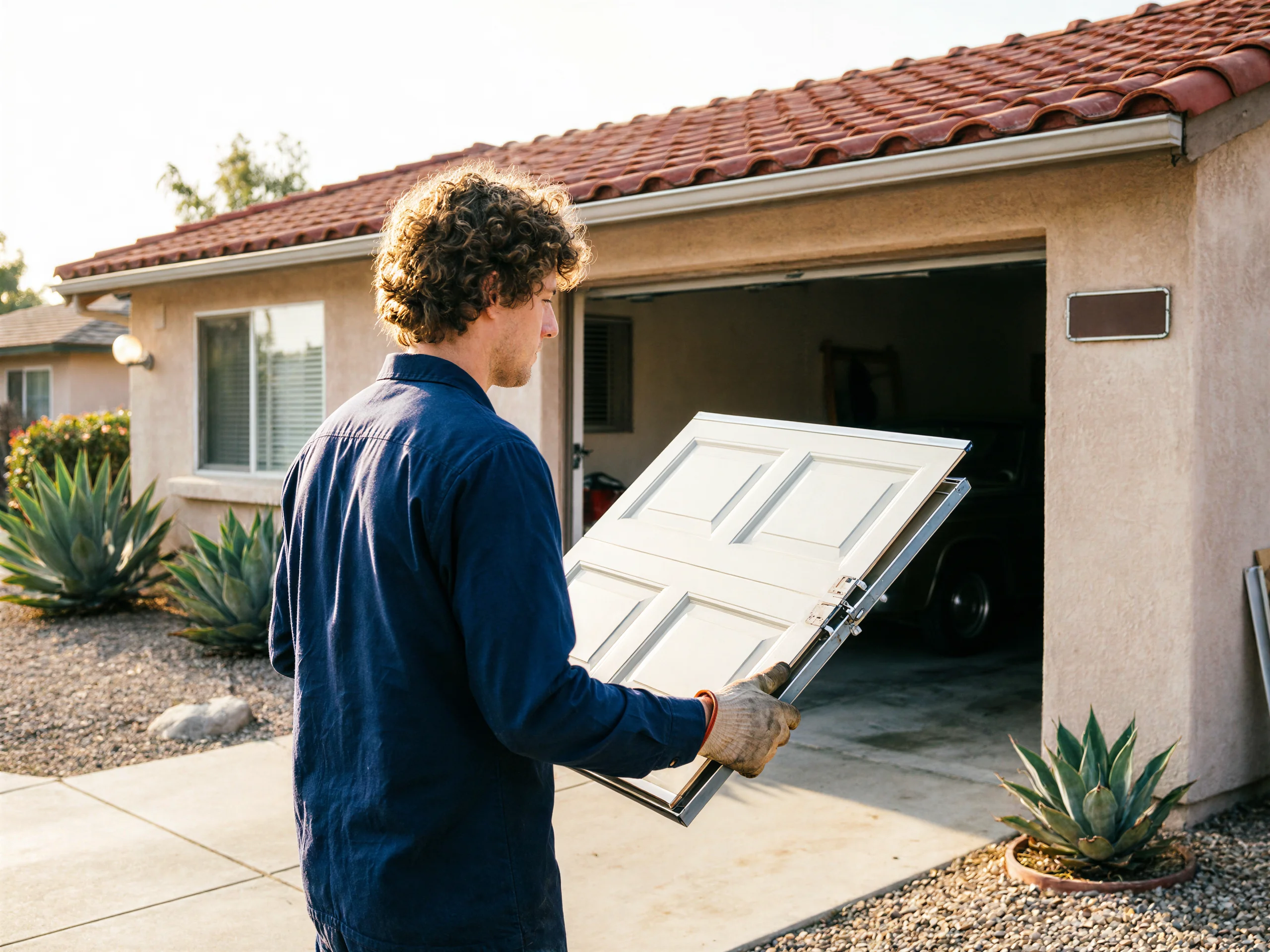
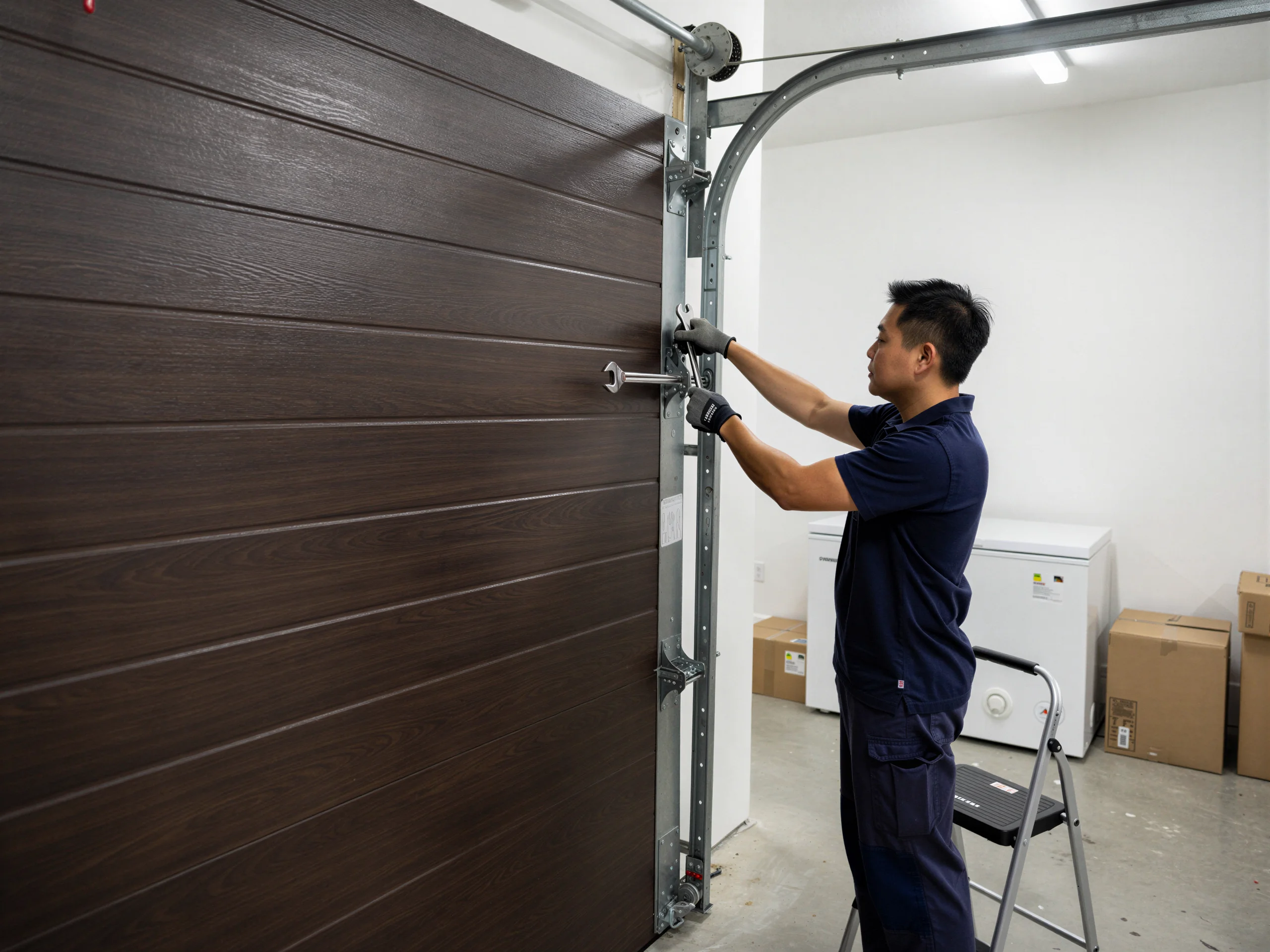
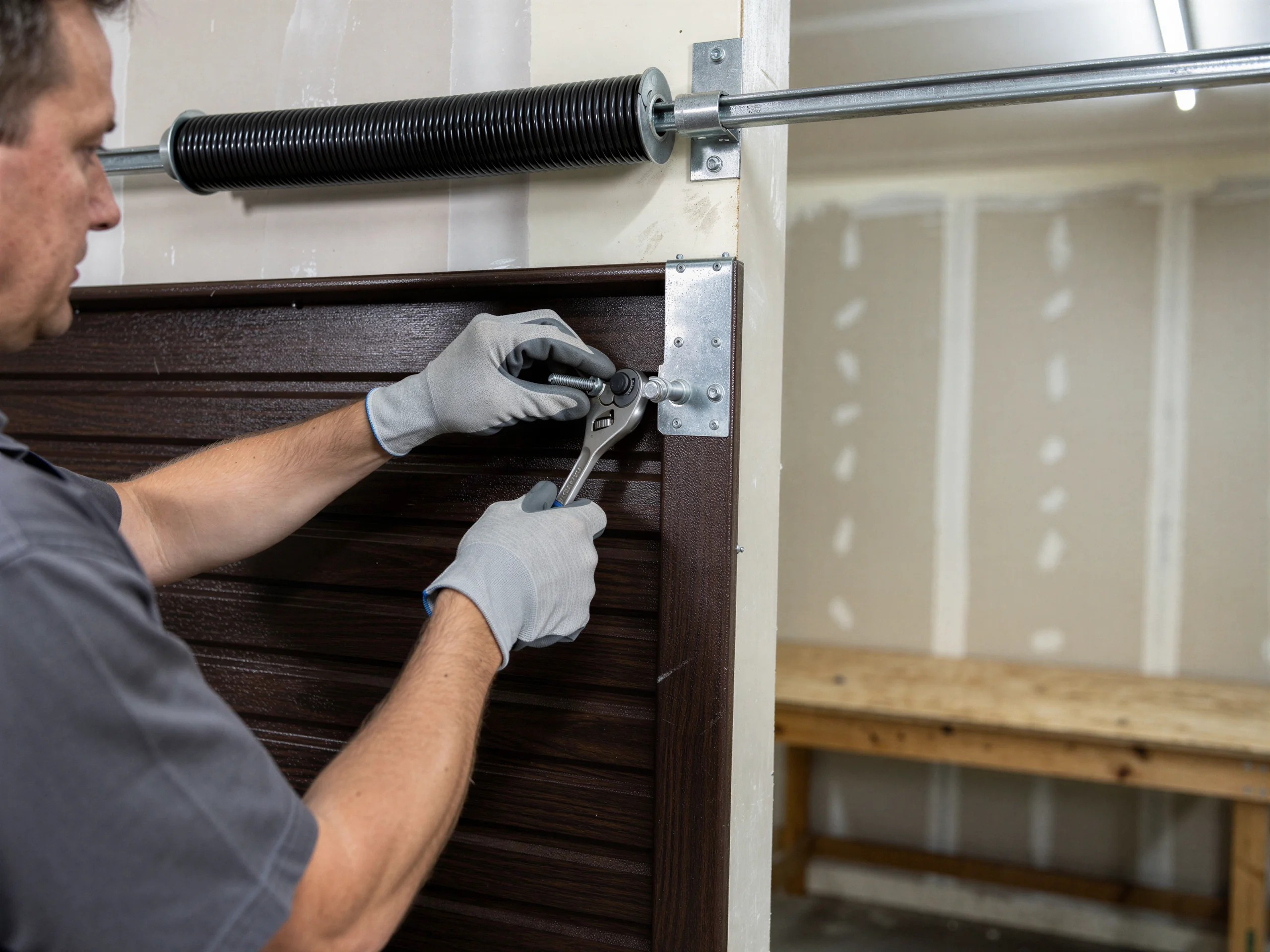
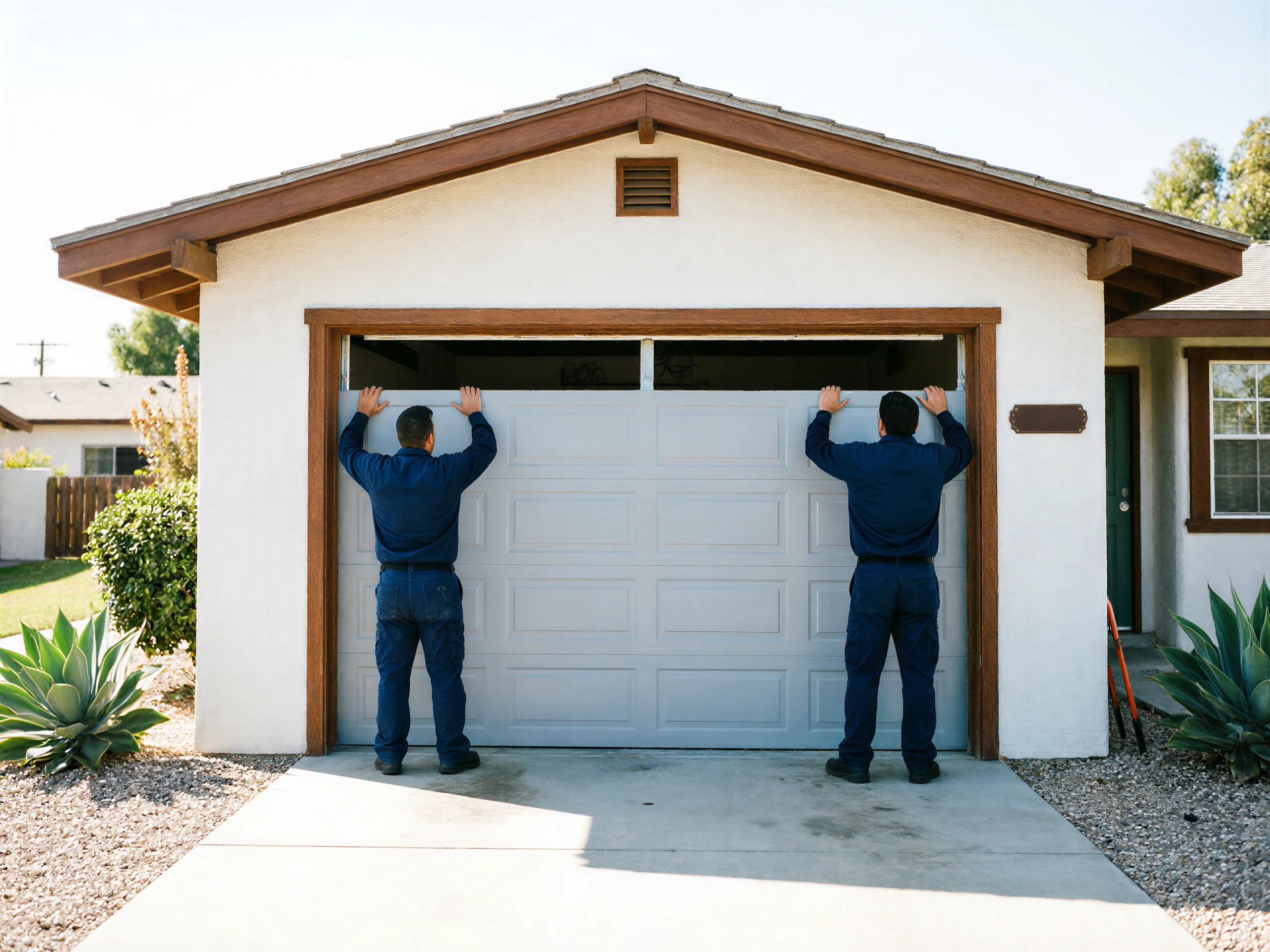
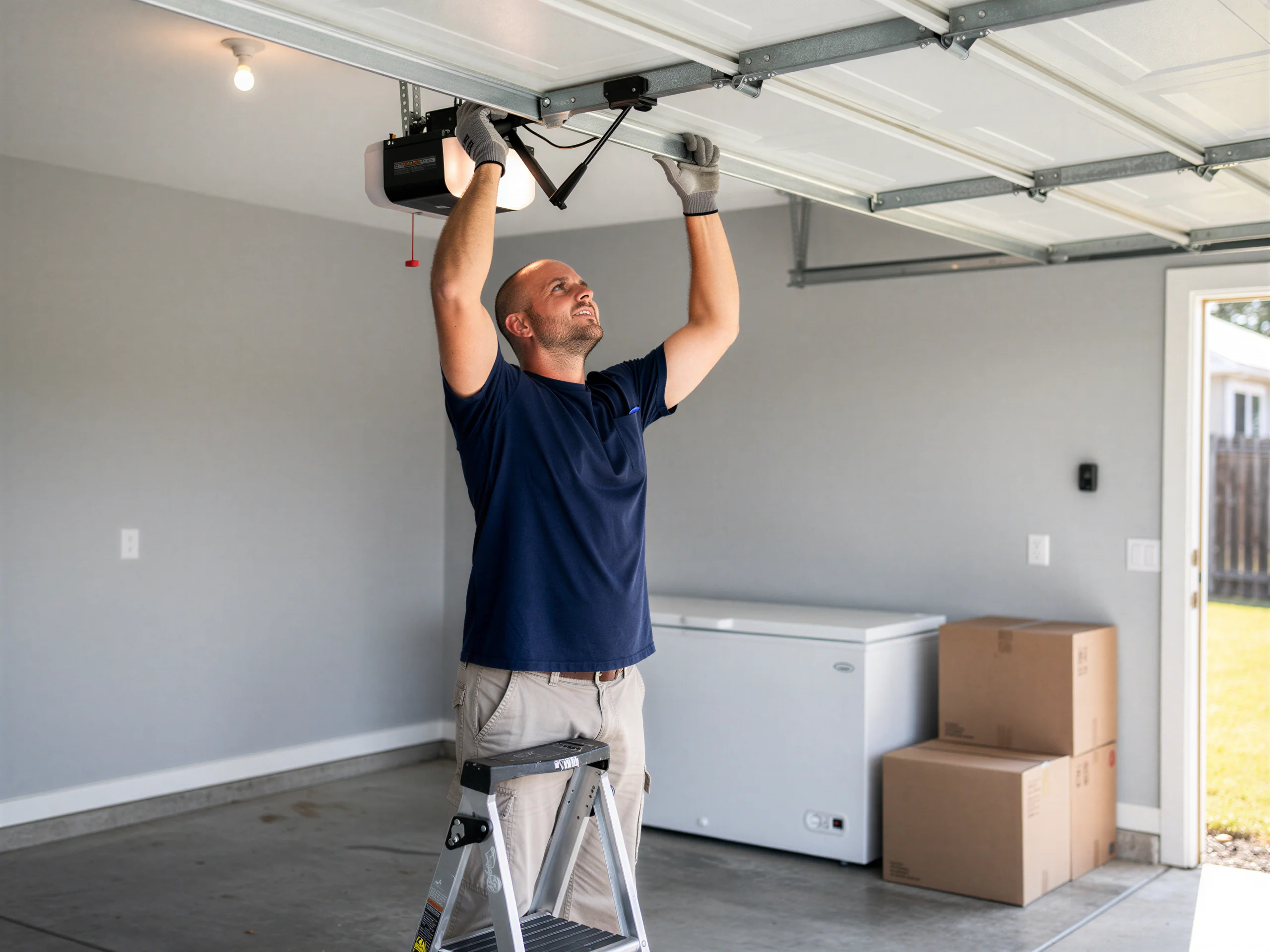
The failure pattern on a 1954-built door is almost always the same: one panel gets hit, dented, or rusted through at the bottom where water sits, and the owner assumes a universal replacement panel will bolt right on. It won't, not cleanly. Doors from this era used panel dimensions and reinforcement patterns that newer sectional doors don't replicate exactly, even from the same manufacturer line decades later.
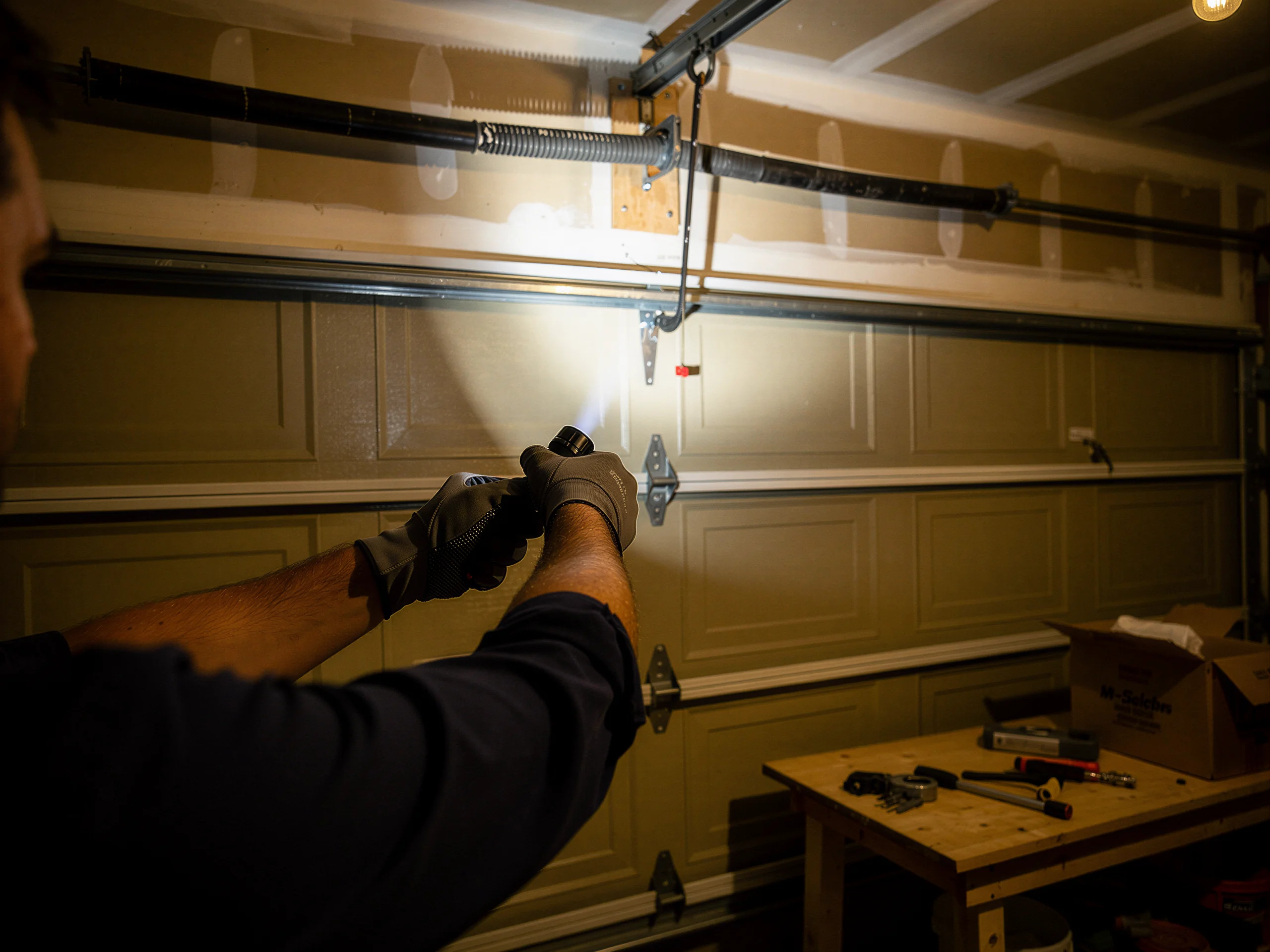
When the fit is close but not exact, the symptoms show up fast: the door binds at the track, the opener strains and trips its force sensor, or the new panel doesn't sit flush and lets weather in along the seam. In a mild temperate climate like this one, that's less about frost cracking and more about slow rust creep at the gap, which eventually eats into the panel next to the one you just replaced. Matching the original section height and hinge spacing before ordering is what keeps this a one-time fix instead of a yearly one.