
Patchwork brackets from decades
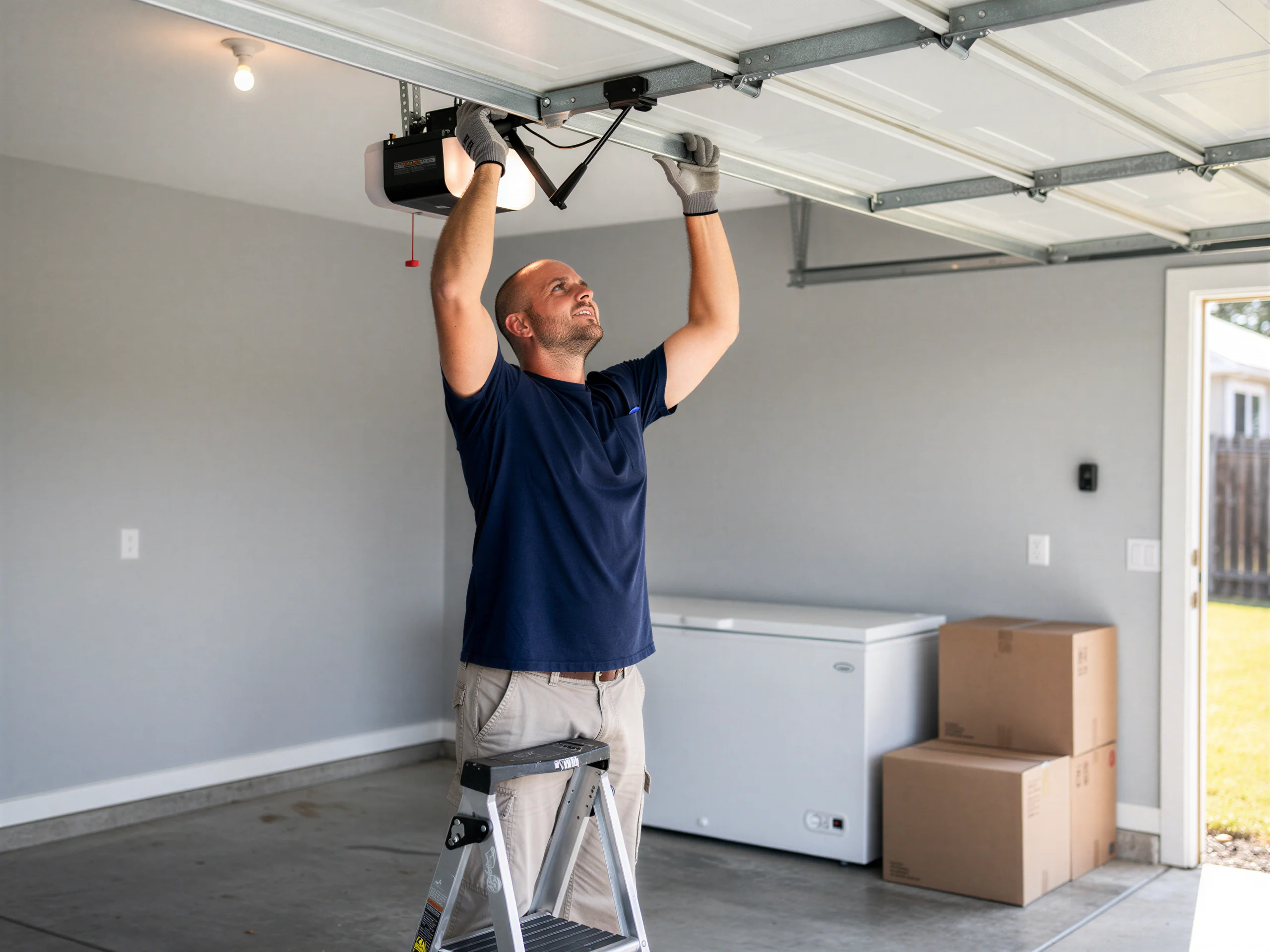
We also see mismatched hardware: an opener installed in the 90s or 2000s bolted onto a bracket and rail system from the original 1957 build, with shims and extra brackets added over the decades to make it fit.
Lakewood, Whittier
Opener repair for Lakewood's 1950s-built garage doors - original chain-drive units, worn drive gears, and the hardware mismatches that come from a decade of quick fixes.
On the truck
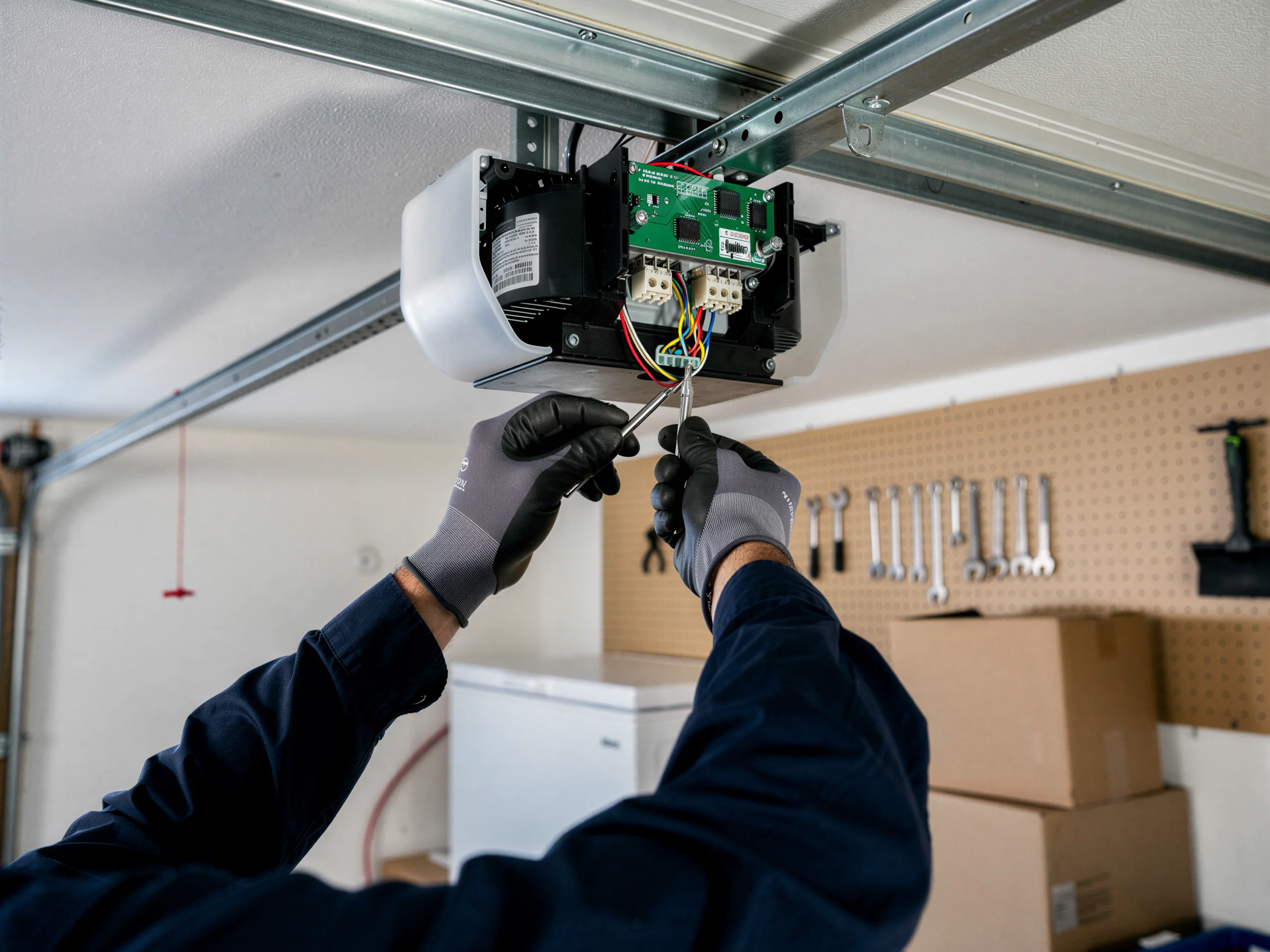
A lot of openers in Lakewood are still running on the drive gear, capacitor, or logic board that came with the house, because the median home here was built around 1957 and openers from that era (or the ones installed as a quick swap in the 70s or 80s) outlive their rated cycle count by a wide margin before anything actually fails. What we carry on the truck covers the common chain-drive failures: stripped drive gears, worn sprockets, failed capacitors on older AC motor units, and logic boards for the mid-range belt and chain units that replaced those original setups somewhere along the way. What we don't stock is anything proprietary to a smart-home opener bridge or a model discontinued more than a few years back - those parts get ordered, and that adds a day or two, sometimes more. We'll tell you on the spot if your unit falls into that category instead of letting you wait and wonder.
The repair
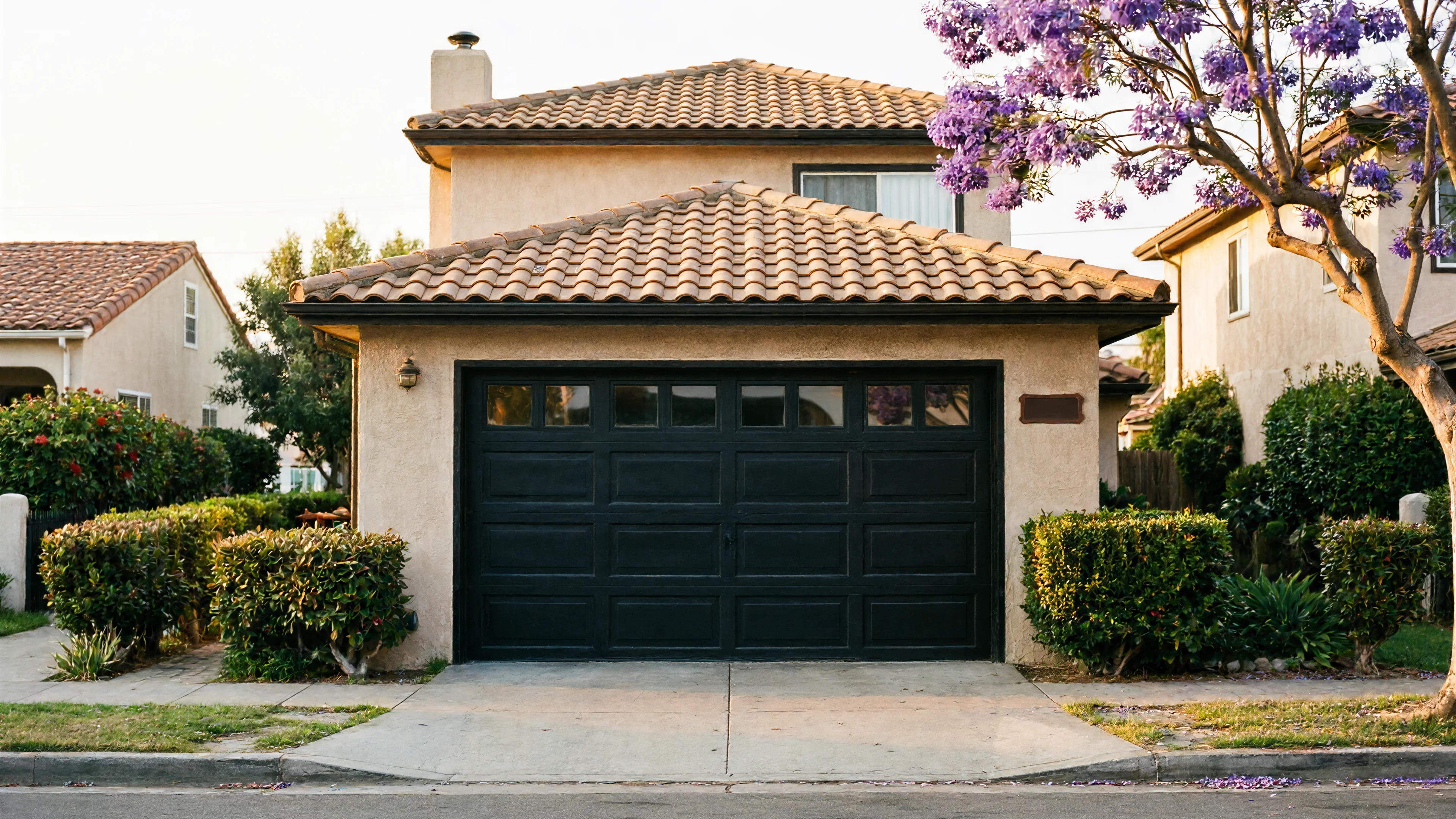
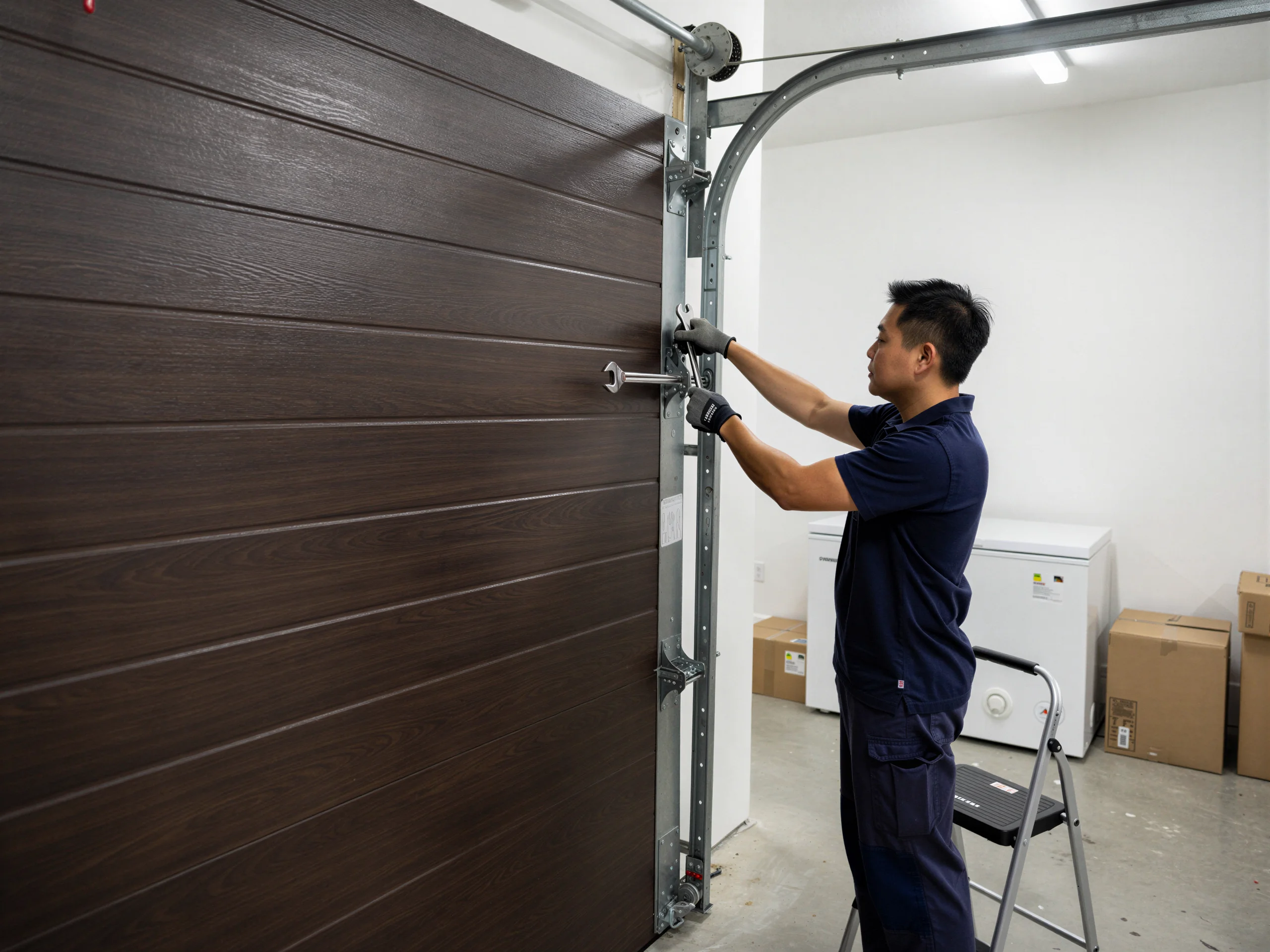
Most opener calls split into two buckets: the motor side (capacitor, gear, board) or the mechanical side (limit switches drifting, travel settings slipping, the trolley binding on a rail that's slightly bent from age).
On a house with original or near-original hardware, the two problems often show up together - a worn gear puts extra load on the motor, which trips the board's overload protection, which looks like a dead opener but isn't one.
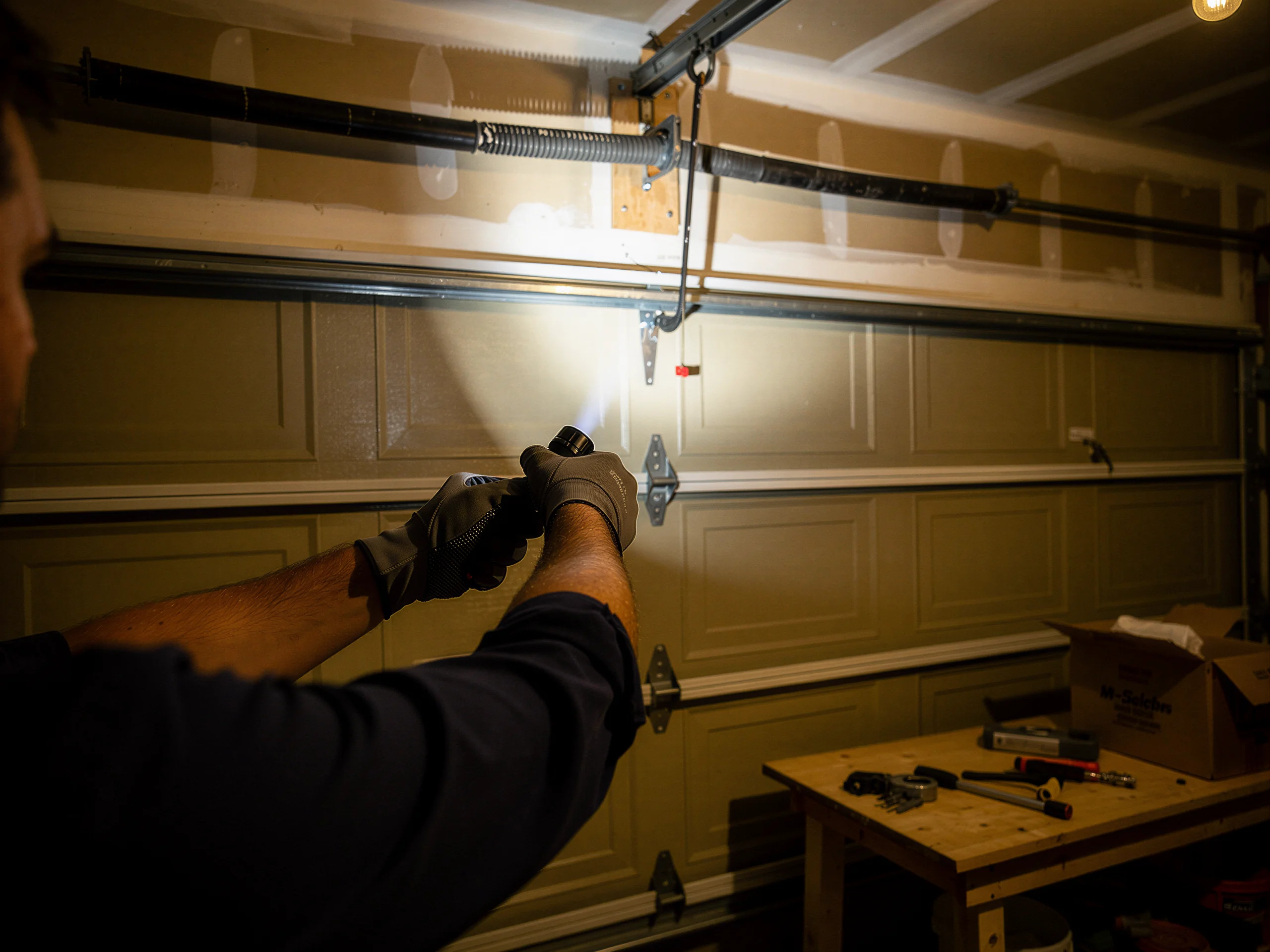
We check the door itself before touching the opener, because an opener straining against a spring that's lost tension, or a track that's out of plumb, will burn out a new motor just as fast as it burned out the old one.
The job is usually a single visit once we're on site, parts on the truck or not - the open question is which parts, not how long the actual repair takes once we start.
DIY or pro
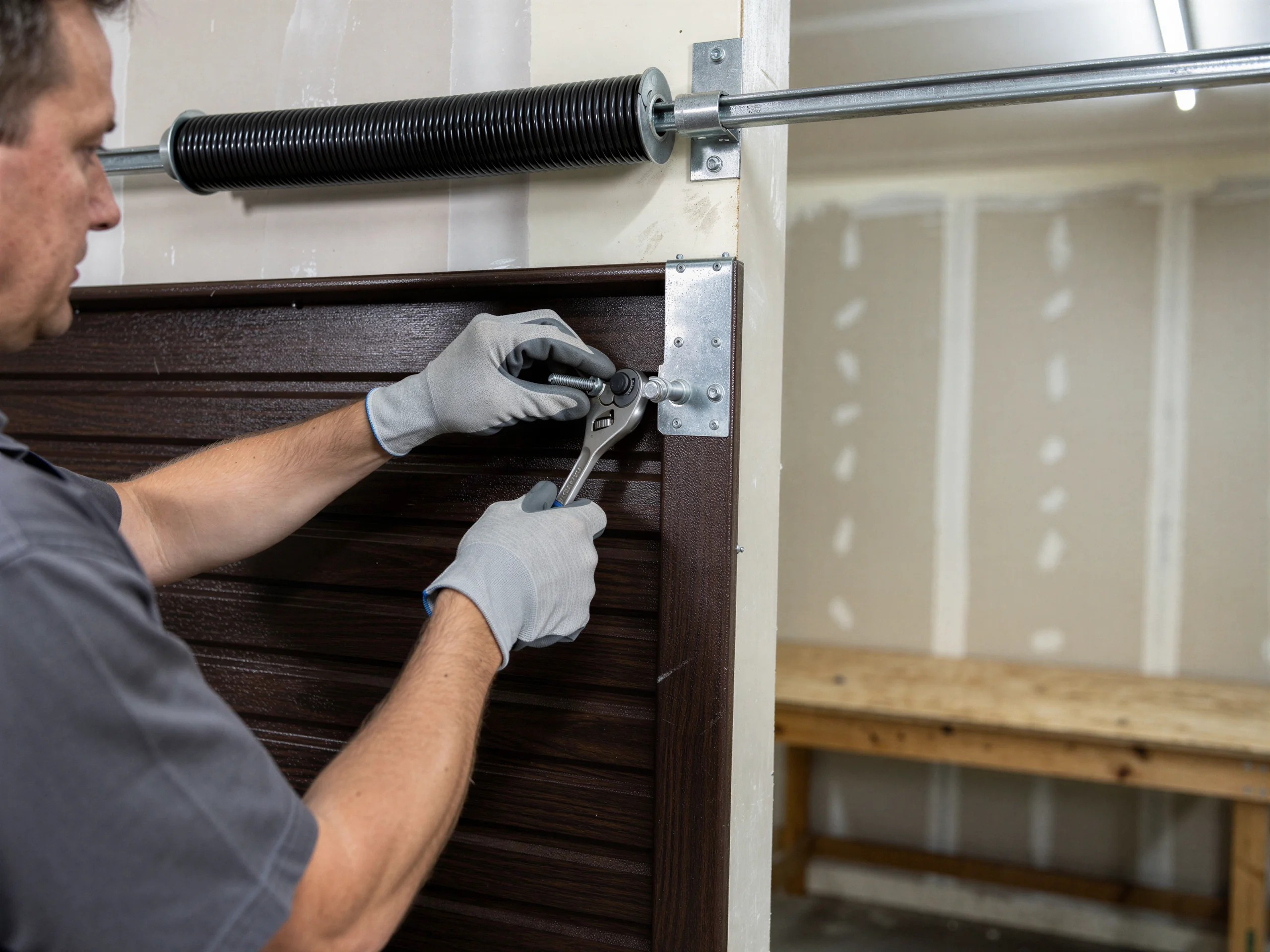
Resetting limit switches or reprogramming a remote is reasonable to try yourself, and plenty of Lakewood homeowners do it without issue. Where it stops being a good idea is anything involving the drive gear assembly or the capacitor - the opener housing holds spring-loaded components that can snap under pressure, and a wrong screw removed in the wrong order has sent people to urgent care. If your opener's chain or belt has come off the rail entirely, don't force it back on and run the opener to test it; that's the fastest way to turn a $40 part into a cracked motor housing. Mild Southern California winters mean we're not dealing with cold-seized motors or ice-swollen weatherstripping the way colder climates do, so the failures here are almost always wear, not weather.
Watch-outs
The call that goes long is the one where the opener looks like the problem but isn't. A door that's gotten heavy because the spring has lost tension will make the opener strain, trip breakers, or grind through gears faster than normal - replace the opener on a house like that and it fails again within a year.
We also see mismatched hardware: an opener installed in the 90s or 2000s bolted onto a bracket and rail system from the original 1957 build, with shims and extra brackets added over the decades to make it fit.
That's not a Lakewood-specific defect, it's just what happens to houses this age when repairs get patched in piecemeal instead of matched to the original setup. Sorting out which parts are original and which were swapped later adds time to the diagnosis, and we'd rather tell you that up front than give you a flat quote that doesn't hold.
Local causes
We run this job out of Whittier, about 10 miles away, so a Lakewood call isn't a same-block drop-in - we schedule it, we bring the truck stocked for what a 1957-built house is likely to need, and we go. Lakewood's median income runs well above the wider service area's $96,234 figure, and that shows up in the work: more owners here are current on maintenance and catch a failing opener before it strands a car in the garage, rather than waiting until the thing stops dead. That doesn't change what's inside the opener housing, though - a drive gear from 1978 wears the same way whether the house next door is worth more or less. The honest limitation: if your opener is a smart-enabled model under five years old, we may need to order the exact logic board rather than carry it standard, and that's a wait we can't shorten from our end.
Questions
The house itself may date to 1957, but the opener almost never does - most original garage doors in houses this age had no powered opener at all, or got one added decades later. What you're usually dealing with is a chain-drive unit from the 70s, 80s, or 90s, bolted onto hardware that's closer to the house's real age than the opener is.
Yes, for the common failures - drive gears, sprockets, capacitors, and logic boards for the mid-range units that make up most of what's still running in houses this age. Proprietary parts for newer smart-home bridges or discontinued models usually need to be ordered, which adds a day or more.
Depends what's failed. A gear, capacitor, or board is usually a straightforward repair. If the motor housing itself is cracked or the unit predates current safety-reversal standards, replacement is the better call - we'll tell you which situation you're in before we start any work.
About 10 miles. We don't keep a branch or depot in Lakewood, so a call here gets scheduled and dispatched from Whittier rather than handled as a drop-in.
Explore more
Ready when you are
Whittier Garage Door Pros repairs and installs garage doors, springs and openers in Whittier, CA and the surrounding area.