
Single-visit panel job
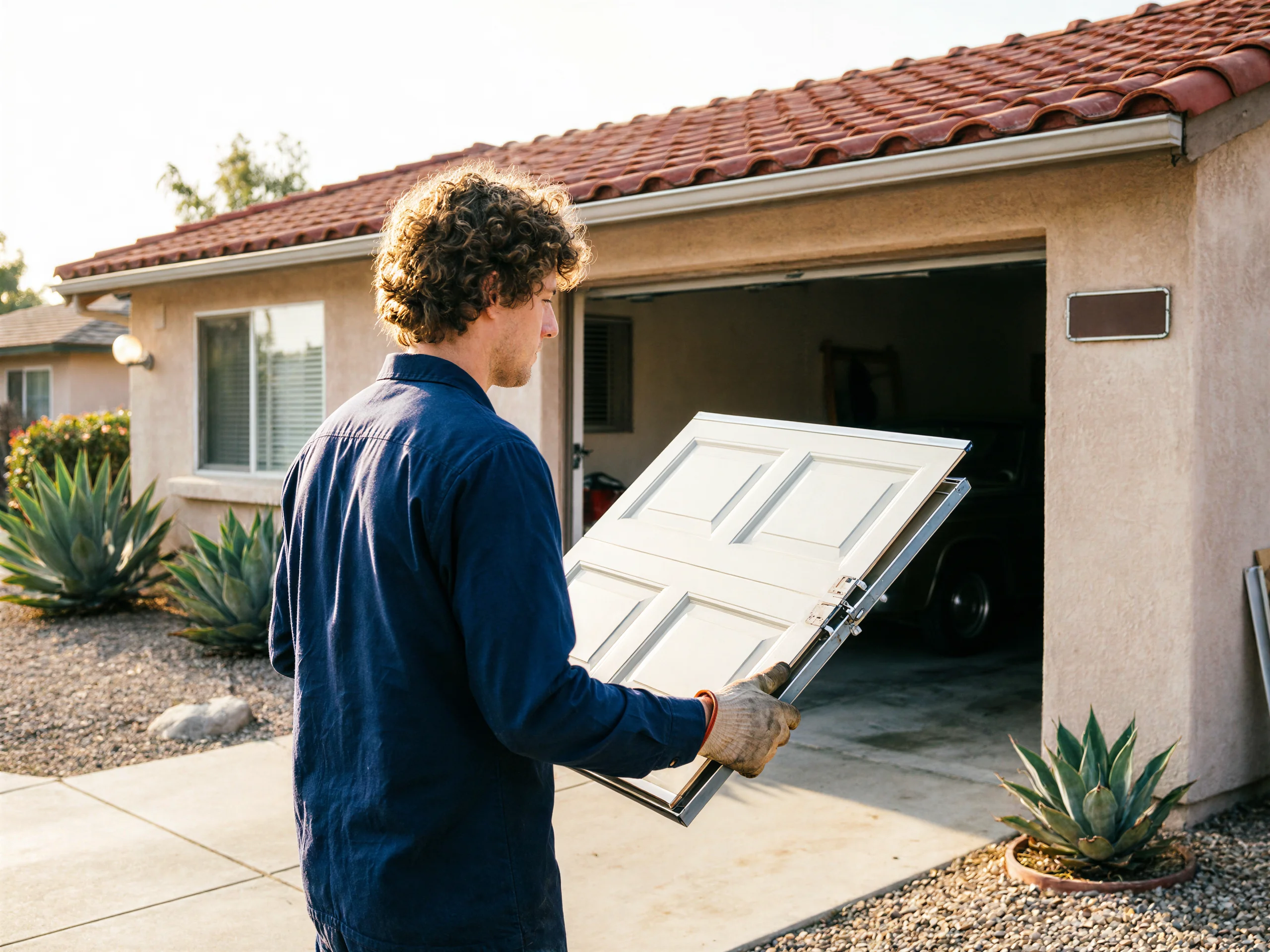
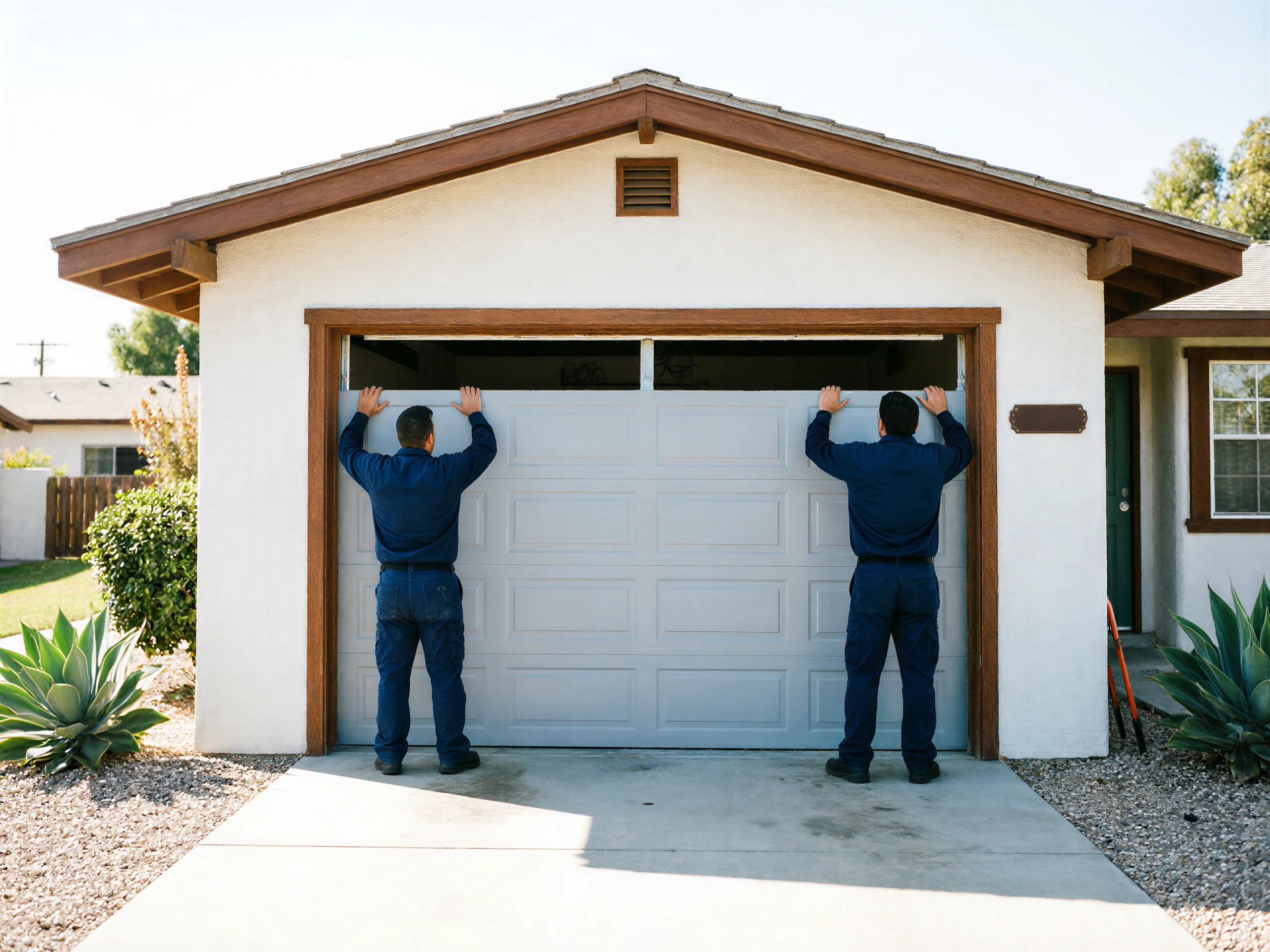
Most panel jobs here are a single visit: pull the damaged section, set the new one, re-hang and balance the door. What stretches the timeline isn't the install, it's sourcing.
South El Monte, Whittier
South El Monte homes built around 1959 often carry single-layer steel panels that dent and rust at the bottom section first. We match panels or replace the full door, out of Whittier, 6 miles away.
Job timing
We run this job out of Whittier, about 6 miles from South El Monte, so we build the drive into how we schedule the visit rather than promising a same-hour arrival we can't back up from that distance.
Most panel jobs here are a single visit: pull the damaged section, set the new one, re-hang and balance the door. What stretches the timeline isn't the install, it's sourcing.
A house built around 1959, which is typical for this part of the service area, often still has its original steel door or a direct replacement from decades back, and those panel profiles aren't sitting on a shelf anywhere nearby.
We measure the section width, groove pattern and hinge spacing on site before we commit to a timeline, because guessing from a phone photo wastes everyone's afternoon. If the door is a newer insulated model, the visit is quicker and more predictable. If it's an older flat-panel steel door, we tell you upfront that we may need to order before we finish the job.
The repair
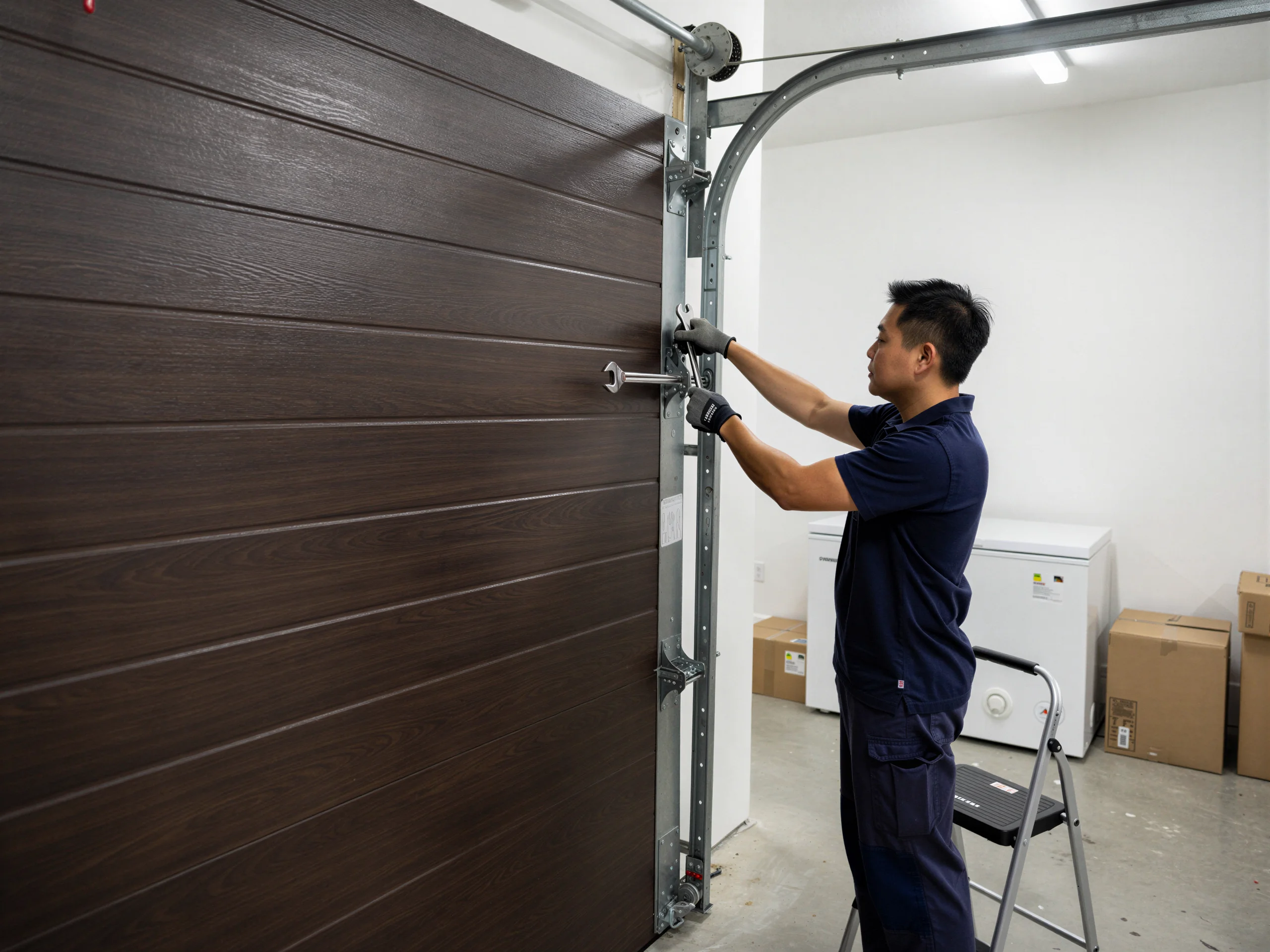
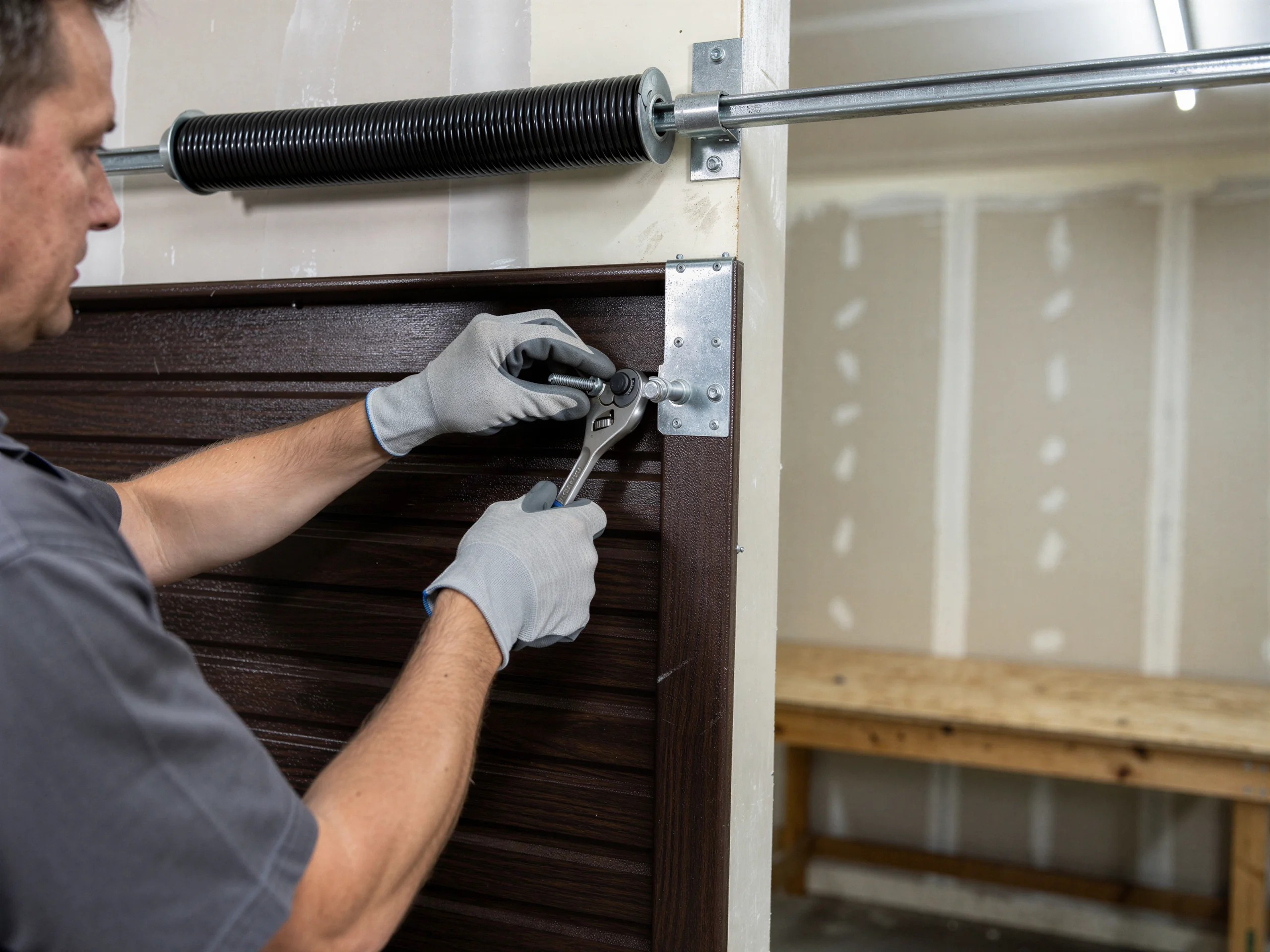
Swapping a single panel on a sectional door sounds simple and sometimes is: unbolt the hinges, slide the damaged section free, slide in the new one, re-torque.
The complication in a neighborhood built around 1959 is that the track spacing and roller size on an original door often don't match what a current panel kit assumes.
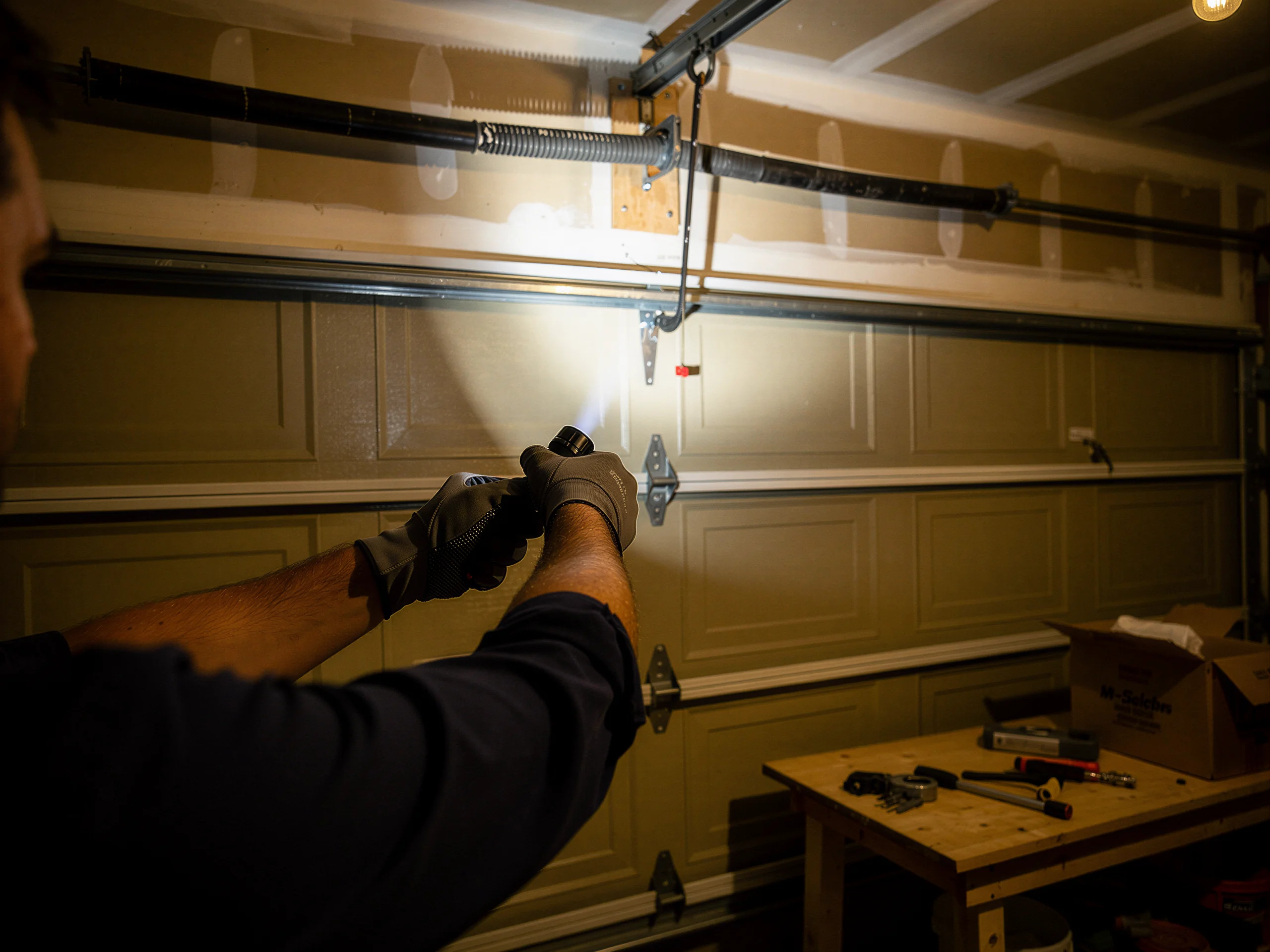
We check roller type (steel vs. nylon), hinge gauge, and whether the door is still running on its original torsion spring before we touch a bolt, because replacing one section on mismatched hardware just moves the binding problem to the next panel down.
If the bottom section is the one that's damaged, we also check the weatherstrip retainer and the flashing where it meets the slab. Doors on 1960s-era foundations have settled over sixty-plus years, and a panel that fits the opening on paper can still bind against an uneven floor line until we shim or trim it in.
Symptoms
The fault we see most in South El Monte isn't a cosmetic dent from a bumper tap, though that happens too. It's a bottom panel that's rusted through at the seam or buckled inward, usually on a single-layer steel door that's been there since the house was built.
Homes in this part of the service area mostly went up in the late 1950s through the 1970s, and a lot of those original doors never got insulated cores added later.
Thin steel plus decades of condensation at the slab line means the bottom section fails well before the rest of the door shows its age. You'll notice it as a door that scrapes or catches a few inches off the floor, daylight visible at one corner, or a panel that's visibly bowed when the door's down.
None of that means the opener or springs are bad. It means one section has given out and the rest of the door is probably fine to keep running.
Pricing
We don't post a flat price here because the range on a panel job swings hard depending on whether we're matching an obsolete profile or installing a current stock panel, and we don't have pricing data specific to this job to quote. What we can tell you is what drives the number: single-panel match jobs on older steel doors cost more in sourcing time than labor, while a full panel set on a newer door is a more predictable job. South El Monte's median household income sits at $67,153, noticeably below the wider service area's $96,234, and we factor that into the conversation honestly - if a full door replacement costs close to what a panel match-and-repair would run, we'll say so rather than push the more expensive option by default.
On the truck
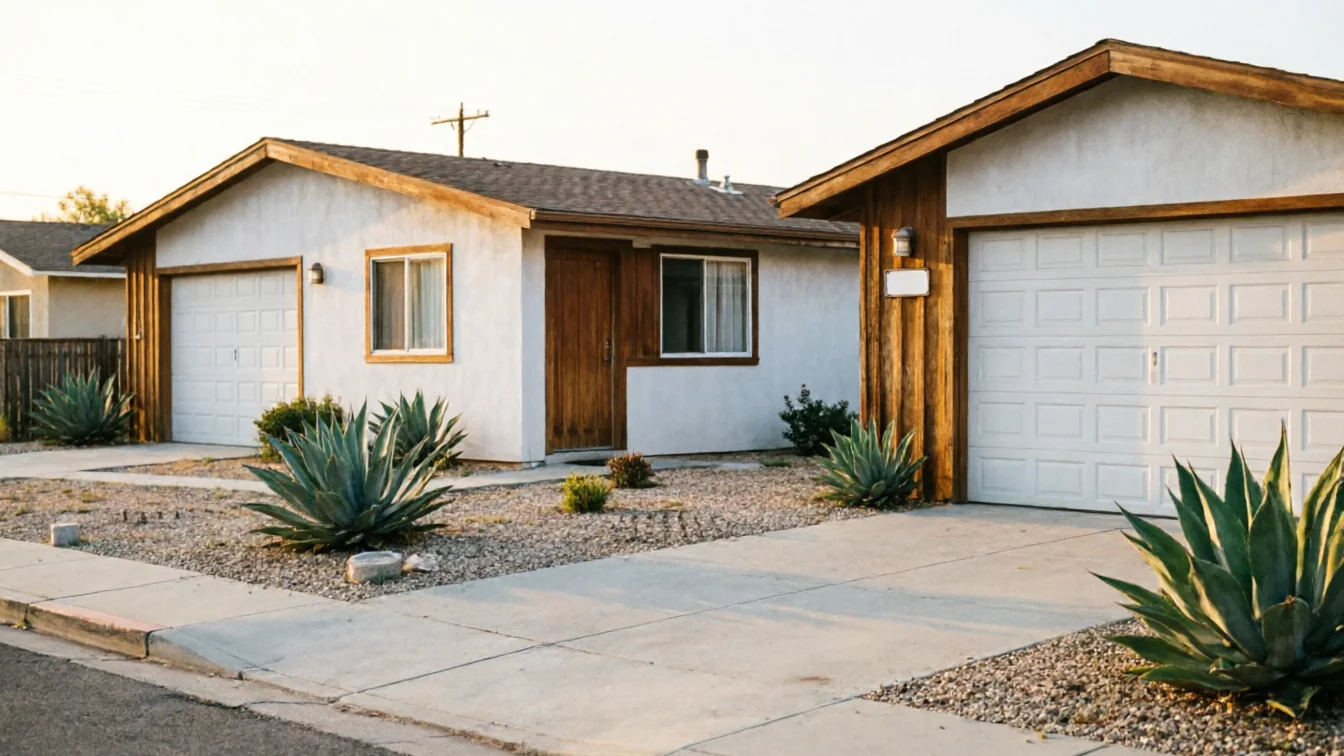
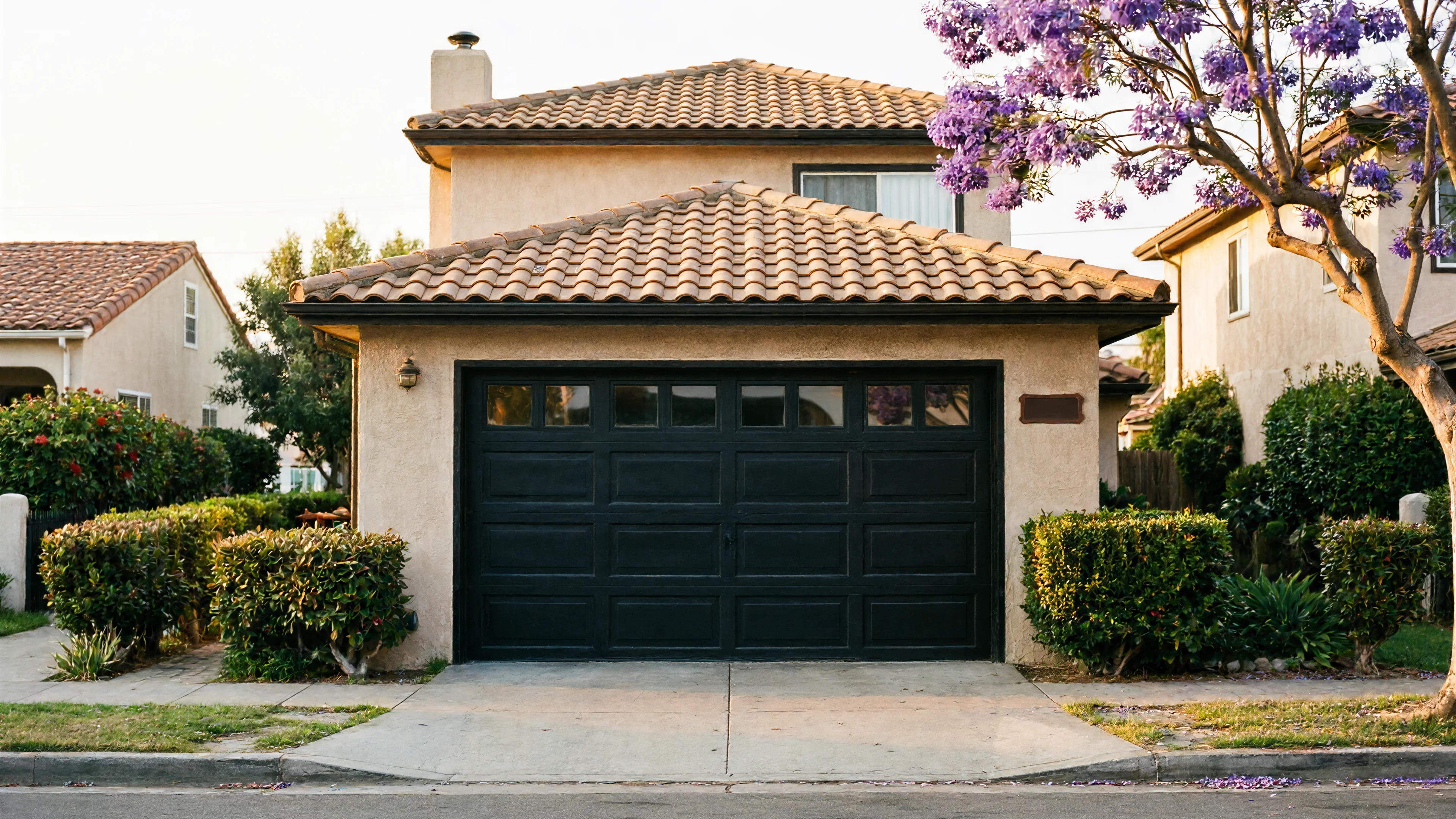
We carry common panel sections and hardware sized for the doors that show up most across the service area's 1960s-70s housing stock, which covers a lot of South El Monte's doors by build year alone. What we don't keep on the truck are discontinued profiles from the earliest flat-panel steel doors - if your door is one of the originals from 1959 or close to it and the manufacturer stopped making that groove pattern years ago, we order it rather than force a near-match that won't seat right in the track. That's the honest limit here: we'd rather tell you the lead time up front than install a panel that looks close but binds under the rollers in six months. For stock sizes and current styles, the swap is usually quick and done the same visit.
Questions
On houses built around 1959, the garage door is often the original single-layer steel panel with no insulated core. Condensation collects at the bottom seam where the panel meets the slab, and over sixty-plus years that section rusts through long before the rest of the door shows wear. Replacing just that panel is usually enough if the rest of the door is sound.
Sometimes. If your door is a current manufacturer's model, matching is straightforward. If it's an older flat-panel steel door from when the house was built, that exact profile may be discontinued, and we'll need to order a close match or discuss replacing the full door instead. We check hinge spacing and groove pattern on site before promising a match.
No, we run this job out of Whittier, about 6 miles away. We don't keep a branch or truck stationed in South El Monte, so we build travel time into scheduling rather than offering a same-hour response.
Depends on the door. A single-panel match on an older, discontinued steel door can cost close to what a full replacement runs once you factor in sourcing. We'll tell you honestly when that's the case rather than default to the cheaper-looking option that ends up costing more over time.
Explore more
Ready when you are
Whittier Garage Door Pros repairs and installs garage doors, springs and openers in Whittier, CA and the surrounding area.